How Dark Markets Operate
Dark markets are online platforms built on the Tor network, designed to obscure the location and identity of buyers and sellers. They function similarly to legitimate e-commerce sites, with vendor profiles, escrow systems, and user ratings, but operate without legal oversight. Transactions typically use cryptocurrency like Monero to avoid financial tracking. The Tor Project documentation explains that onion services route traffic through multiple relays, making it difficult for network observers to link users to specific servers. This anonymity layer is why these markets attract both privacy advocates and people engaged in illegal activity. Understanding the technical mechanism helps you recognize why law enforcement must use different investigative approaches than they would for surface-web commerce.
Portugal's Role in the Darknet Ecosystem
Portugal has appeared in law-enforcement reports as a transit hub for goods moving through European dark markets, partly due to its geographic position and port infrastructure. However, this does not mean Portugal hosts major darknet marketplaces; most large operations have been hosted on servers in countries with weaker cybercrime enforcement or seized by authorities. Dark markets in Albania, Andorra, and other smaller European nations have similarly been documented in security research, but their actual operational footprint is often overstated in sensationalist reporting. Court records from European law-enforcement actions show that marketplace operators typically hide server locations through bulletproof hosting and VPN chains. What matters for your security is recognizing that no country is immune to darknet activity, and that the presence of marketplace users in a region does not indicate the market itself is based there.
Law Enforcement Actions and Market Seizures
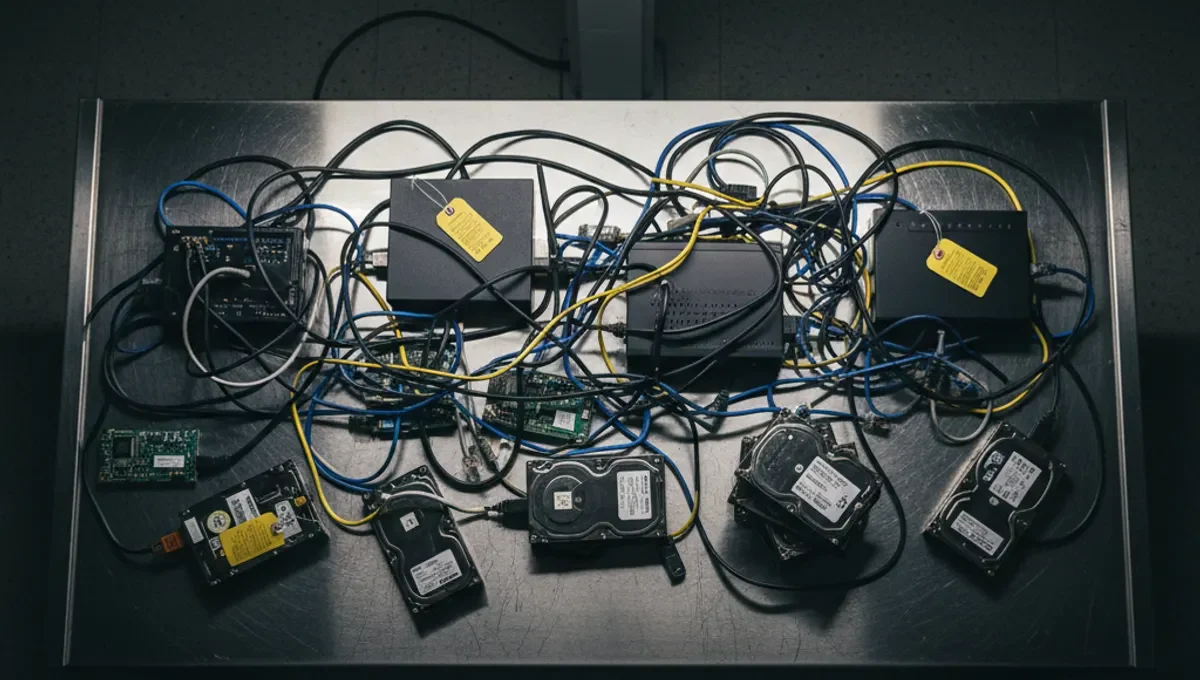
Over the past decade, European law-enforcement agencies have successfully taken down numerous dark markets through coordinated operations. Public press releases from Europol and national police forces document how investigators traced cryptocurrency transactions, identified server infrastructure, and arrested operators. These actions typically result in the market going offline permanently or being replaced by clones operated by new groups. The seizure of a major marketplace often causes a temporary spike in users migrating to alternative platforms, a pattern documented in security-vendor incident reports. Understanding that markets are temporary and unstable helps explain why users lose funds through exit scams and why phishing clones proliferate. Each closure creates an opportunity for fraudsters to launch fake mirrors claiming to restore the original service.
Phishing Clones and Verification Risks
When a dark market is seized or goes offline, scammers quickly create fake versions using similar names and layouts. These clones steal login credentials and cryptocurrency from users who believe they are accessing the real marketplace. Verifying an onion address requires checking PGP-signed announcements from the marketplace operator, a practice that many users skip due to unfamiliarity with cryptographic verification. The Tor Project documentation emphasizes that onion addresses should be obtained only from official sources and verified through multiple channels. A common mistake is trusting a link shared in a forum post or Reddit thread without confirming it through the operator's PGP key. If you encounter a dark market link, cross-reference it against the site's official communication channels and verify any PGP signatures before trusting the address.
Reality Layer: How the Ecosystem Actually Behaves
Three key insights about dark markets come from public law-enforcement press releases and academic research on onion services. First, most dark markets operate for only 1-3 years before being seized, hacked, or abandoned by their operators in exit scams; this instability means users regularly lose access to funds and data. Second, the technical barriers to running a secure marketplace are high, and most operators make operational security mistakes that eventually lead to identification and arrest; court records show that even experienced criminals often underestimate law-enforcement capabilities. Third, the user base of any given marketplace includes both people seeking privacy for legitimate reasons and those engaged in illegal activity, making it impossible to characterize a market by its users alone. These realities matter because they explain why participating in dark markets carries financial, legal, and security risks that go far beyond the stated purpose of any individual platform.
Risks of Accessing Dark Markets
Accessing dark markets carries multiple overlapping risks that extend beyond the obvious legal consequences. Malware distributed through marketplace forums and vendor profiles can compromise your device and steal credentials or cryptocurrency. Law-enforcement agencies monitor dark market activity and may pursue users for facilitating transactions, even if they are not the primary operators. Exit scams, where marketplace administrators disappear with user funds held in escrow, are common and result in total loss of deposits. Phishing attacks targeting marketplace users are sophisticated and often use social engineering to trick people into revealing recovery phrases or private keys. A practical checklist for anyone considering accessing these platforms includes: using a dedicated virtual machine running Tails or Whonix, verifying all addresses through PGP signatures, never reusing usernames or passwords, and understanding that law enforcement has successfully prosecuted marketplace users in multiple jurisdictions.
Safer Alternatives for Privacy and Security
If your concern is privacy and security rather than accessing illegal goods, legitimate alternatives exist that do not carry criminal risk. VPNs from reputable providers offer encryption for your internet traffic and can be used legally in most jurisdictions. Secure messaging applications like Signal use end-to-end encryption and are designed for everyday privacy without requiring technical expertise. The Tor Browser, maintained by the Tor Project, allows you to browse the surface web anonymously without accessing dark markets. PGP encryption tools enable you to communicate securely with others and verify the authenticity of digital documents. These tools serve the same privacy goals as dark markets but without the legal, financial, and security risks. Understanding the distinction between privacy tools and illegal marketplaces helps you make informed decisions about your own security posture.
What You Should Do Today
If you have encountered a dark market link or are curious about how these platforms work, your first step is to verify information through official sources rather than trusting forum posts or social media. Visit the Tor Project's official documentation to understand how onion services work and how to identify legitimate resources. If you are concerned about data breaches or personal information appearing on dark markets, use the site's dark web monitoring resources to check whether your credentials have been compromised. If you are already using a dark market, consider the financial and legal exposure you are accepting and whether the same goal could be achieved through legal privacy tools. The most important action is to recognize that curiosity about dark markets is normal, but participation carries real consequences that are not always obvious until it is too late.
Common Questions
Are dark markets still operating in Portugal?
Dark markets do not have fixed locations; they operate on the Tor network across multiple jurisdictions. Portugal may have users accessing these platforms, but major marketplaces are typically hosted on servers in other countries or seized by law enforcement. The status of any specific marketplace changes frequently, so you should verify current information through official sources rather than assuming any platform is active.
How do I know if a dark market link is real or a phishing clone?
Verify onion addresses through PGP-signed announcements from the marketplace operator, never through forum posts or social media links. Check the operator's PGP key fingerprint against multiple independent sources. If you cannot find an official announcement or PGP signature, assume the link is a phishing clone designed to steal your credentials and cryptocurrency.
What happens if I access a dark market by accident?
Simply visiting a dark market website through Tor is not illegal in most jurisdictions, but purchasing illegal goods or services is. If you accessed a site by accident, close your browser and disconnect. If you are concerned about your activity, review your browser history and consider using a fresh Tor Browser session or a dedicated virtual machine for future browsing.
Can law enforcement trace me if I use Tor to access dark markets?
Tor provides strong anonymity for network traffic, but law enforcement has successfully identified dark market users through operational security mistakes, cryptocurrency transaction analysis, and cooperation from marketplace operators. No anonymity tool guarantees complete protection, especially if you engage in illegal activity that draws investigative attention.
What should I do if my personal information appears on a dark market?
Use the site's dark web monitoring resources to verify whether your credentials have been compromised. If your data has been leaked, change passwords for affected accounts, enable two-factor authentication, and monitor your financial accounts for unauthorized activity. Consider placing a fraud alert or credit freeze with your credit bureau if financial information was exposed.