What Were Dark Markets in Belgium
Dark markets operating from or targeting Belgium were online platforms accessible only through the Tor browser, where users traded goods and services using cryptocurrency. These marketplaces mimicked legitimate e-commerce sites but operated on encrypted networks to obscure user identity and location. Belgian dark markets attracted both local and international users, with some focusing on specific product categories while others operated as general-purpose exchanges. The appeal lay in perceived anonymity and the absence of traditional regulatory oversight. However, law enforcement agencies across Europe, including Belgian authorities, maintained active investigation and infiltration programs targeting these platforms.
How Darknet Markets Operated Technically
Darknet markets used a combination of technologies to function. Vendors and buyers accessed the marketplace through Tor, which routes traffic through multiple encrypted relays to obscure the user's IP address. Markets employed multi-signature cryptocurrency wallets, where both buyer and seller held keys, to reduce the risk of the marketplace operator stealing funds. Disputes were resolved by market administrators who acted as arbiters. Vendors maintained reputation scores based on transaction history, similar to mainstream e-commerce platforms. The technical architecture was designed to protect user privacy, but it also created opportunities for exit scams, where operators disappeared with customer funds, and law enforcement infiltration, where authorities posed as users or vendors to gather evidence.
Regional Context: Dark Markets Across Europe
Belgium's position in Europe made it a natural transit point for both physical goods and digital activity. Dark markets in neighboring countries like dark markets Albania, dark markets Austria, and dark markets Andorra operated under similar technical frameworks but with different regulatory pressures. Some markets explicitly targeted specific regions, offering local payment methods or language support. Belgian users often accessed markets hosted on servers outside Belgium to reduce legal exposure. The fragmentation of European law enforcement meant that a market seized in one country might migrate to another, though international cooperation through Europol and Interpol increasingly coordinated cross-border investigations. Understanding regional variations helps illustrate how darknet activity adapts to local legal and technical environments.
Law Enforcement Operations and Market Seizures
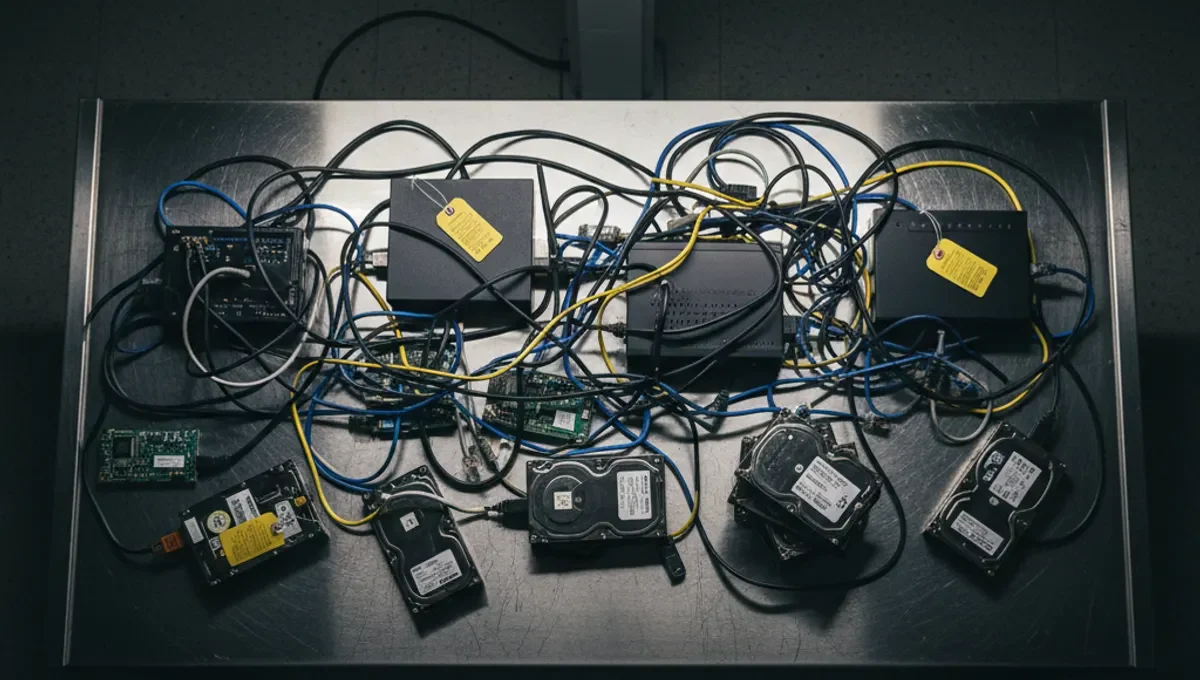
Belgian authorities, working with international partners, conducted multiple operations targeting darknet markets and their users. These operations typically involved months of undercover investigation, where law enforcement agents created accounts, made purchases, and gathered transaction records. Once sufficient evidence was collected, authorities would coordinate simultaneous arrests and server seizures across multiple jurisdictions. Court records from Belgian prosecutions show that investigators focused on identifying vendors and high-volume buyers, as well as market administrators. The seizure of a market's servers often revealed user databases, transaction histories, and cryptocurrency wallet addresses, which authorities used to pursue further investigations. These operations demonstrated that Tor and cryptocurrency alone do not guarantee immunity from law enforcement, particularly when users made operational security mistakes such as reusing usernames across platforms or failing to properly compartmentalize their online identities.
Why Users Trusted or Distrusted These Markets
Trust on darknet markets was built through reputation systems and community feedback, but it remained fragile. Vendors who consistently delivered goods and resolved disputes fairly accumulated positive ratings. However, the anonymity that attracted users also enabled scammers. Exit scams, where market operators or vendors disappeared with customer funds, were common. Users developed strategies to mitigate risk, such as using escrow services, starting with small purchases to test vendors, and verifying PGP-signed messages from vendors. Trust was also eroded by law enforcement infiltration. When users discovered that a market had been seized or that vendors were actually undercover agents, confidence in the entire ecosystem declined. This cycle of trust and betrayal drove users to seek new markets, creating a constant churn of platforms and a fragmented user base that made large-scale operations harder to sustain.
Phishing Clones and Verification Challenges
Successful darknet markets became targets for phishing attacks. Scammers created fake versions of popular markets, often with URLs that closely resembled the legitimate .onion address. Users who mistyped a URL or clicked a malicious link would land on a clone site, where they entered their credentials or deposited cryptocurrency, which was then stolen. Legitimate market operators published PGP-signed announcements on forums and social media to communicate official addresses, but many users did not verify these signatures. The technical barrier to creating a clone was low, while the potential reward was high. This vulnerability highlighted a core problem with darknet markets: the lack of a reliable domain verification system comparable to HTTPS certificates on the regular web. Users who wanted to access a specific market had to rely on community forums, which were themselves vulnerable to infiltration and misinformation.
Reality Layer: How the Ecosystem Actually Behaves
Three key insights about darknet markets emerge from law enforcement records and security research. First, Tor and cryptocurrency provide privacy but not invulnerability. According to Tor Project documentation, Tor protects against network-level surveillance, but users who make operational security mistakes, such as revealing personal information or reusing identities across platforms, can be deanonymized through investigative work and blockchain analysis. This matters because it shows that technical tools are only as effective as their users' discipline. Second, market seizures typically follow months of undercover investigation rather than technical exploits. Court records from European prosecutions show that law enforcement infiltrates markets by creating accounts and building cases through transaction analysis and witness testimony. This means that the biggest risk to market operators is not a sudden technical compromise but the slow accumulation of evidence by patient investigators. Third, users often underestimate the permanence of their digital footprint. Cryptocurrency transactions, while pseudonymous, are recorded on public blockchains and can be linked to user identities through exchange records, IP logs, and behavioral analysis. Understanding these realities helps users recognize that anonymity on the darknet is conditional and context-dependent, not absolute.
Lessons for Security and Privacy
The history of dark markets in Belgium and across Europe offers practical lessons for anyone concerned with online privacy. First, recognize that anonymity tools like Tor are necessary but not sufficient. They must be combined with disciplined operational security, such as using separate identities for different activities, avoiding reuse of usernames, and compartmentalizing information. Second, understand that law enforcement has become sophisticated in darknet investigations. Authorities use blockchain analysis, undercover operations, and international cooperation to identify users and operators. This does not mean the darknet is unsafe for legitimate privacy-conscious activity, but it does mean that illegal activity carries real risk. Third, be aware of phishing and social engineering. Verify addresses through PGP-signed announcements from official sources, and never trust a URL that you found through a casual search or forum post. Finally, recognize that the darknet ecosystem is not a lawless frontier but a space where the same legal rules apply, enforced through patient investigation and international cooperation.
Common Questions
Are dark markets in Belgium still operating
The status of specific markets changes frequently due to law enforcement seizures and voluntary closures. Markets that operated from Belgium or targeted Belgian users have been disrupted by authorities, but new platforms emerge regularly. To verify the current status of any market, consult the Useful Resources page of this site and check for PGP-signed announcements from official sources rather than relying on forum rumors.
How did Belgian authorities shut down darknet markets
Belgian law enforcement worked with international partners to conduct undercover investigations, infiltrate markets by creating accounts, and gather transaction records. Once sufficient evidence was collected, authorities coordinated simultaneous arrests and server seizures. Court records show that investigators focused on identifying vendors, administrators, and high-volume buyers through transaction analysis and blockchain investigation.
Can Tor and cryptocurrency guarantee anonymity on darknet markets
Tor protects against network-level surveillance, and cryptocurrency provides pseudonymity, but neither guarantees complete anonymity. Users who make operational security mistakes, reuse identities, or reveal personal information can be deanonymized through investigative work and blockchain analysis. Law enforcement has successfully identified darknet users through patient investigation and international cooperation.
What is the difference between dark markets in Belgium and other European countries
Dark markets in Belgium, dark markets Austria, dark markets Albania, and other European nations operated using similar technical frameworks but adapted to local regulatory environments and user bases. Some markets targeted specific regions with local payment methods or language support. The fragmentation of European law enforcement meant markets sometimes migrated between jurisdictions, though international cooperation through Europol increasingly coordinated cross-border investigations.
How can I verify if a darknet market address is legitimate
Verify addresses through PGP-signed announcements from official sources, not casual forum posts or search results. Check the Useful Resources page of this site for guidance on verifying onion addresses. Be aware that phishing clones with similar URLs are common, and scammers rely on users mistyping addresses or clicking malicious links.