What Dark Markets Are and How They Operate
Dark markets are encrypted online marketplaces accessible only through the Tor network, where buyers and sellers interact pseudonymously. Unlike regular e-commerce sites, they use cryptocurrency for transactions and employ escrow systems to reduce fraud between unknown parties. The marketplace operator typically takes a commission on each sale and may offer dispute resolution services.
These platforms operate on the principle of decentralized trust. A vendor builds reputation through completed transactions, and buyers can review sellers before purchasing. The anonymity layer makes it difficult for law enforcement to identify participants, but it also creates an environment where scams flourish. Exit scams, where operators vanish with customer funds, have been documented repeatedly across different marketplaces.
Dark Markets in South Asia: India, Albania, Andorra and Beyond
Dark markets serve different regions with varying levels of activity and specialization. Markets targeting India have historically focused on pharmaceuticals, counterfeit goods, and digital services. Similar patterns appear in dark markets Albania and dark markets Austria, where local demand shapes what vendors offer.
The geographic distribution of darknet activity reflects both internet penetration and local law enforcement capacity. Dark markets Argentina and dark markets Australia have developed distinct vendor communities, often with regional payment preferences and language support. Dark markets Andorra, despite its small population, has appeared in darknet research due to its unique regulatory environment. Understanding these regional variations helps explain why certain marketplaces gain traction in specific countries and how vendors adapt their operations to local conditions.
How Anonymity and Cryptocurrency Enable These Markets
The Tor network masks user IP addresses by routing traffic through multiple relays, making it extremely difficult to trace a user's physical location. When combined with cryptocurrency like Monero or Bitcoin, this creates a payment channel that does not require traditional banking infrastructure or identity verification.
However, anonymity is not absolute. Law enforcement agencies have successfully de-anonymized Tor users through traffic analysis, browser exploits, and operational security mistakes by suspects. Cryptocurrency transactions, while pseudonymous, leave permanent records on the blockchain that can be analyzed. Many users assume they are completely untraceable and take risks they would not otherwise take, leading to arrests and prosecutions. The false sense of security is often more dangerous than the technology itself.
Common Scams and Fraud on Dark Markets
Scams on dark markets fall into several categories. Vendor scams occur when a seller takes payment and never ships the product. Marketplace scams happen when the operator steals all escrow funds and disappears. Phishing scams trick users into visiting fake mirror sites that steal login credentials or cryptocurrency.
Buyers have no recourse through traditional consumer protection or chargebacks. Once cryptocurrency is sent, it cannot be reversed. Dispute resolution offered by marketplace operators is often slow or biased toward the vendor. Users who lose money to scams cannot report the crime without admitting their own participation in illegal activity. This asymmetry of risk is why many experienced users recommend treating any darknet purchase as a total loss from the moment they commit funds.
Law Enforcement Actions and Market Seizures
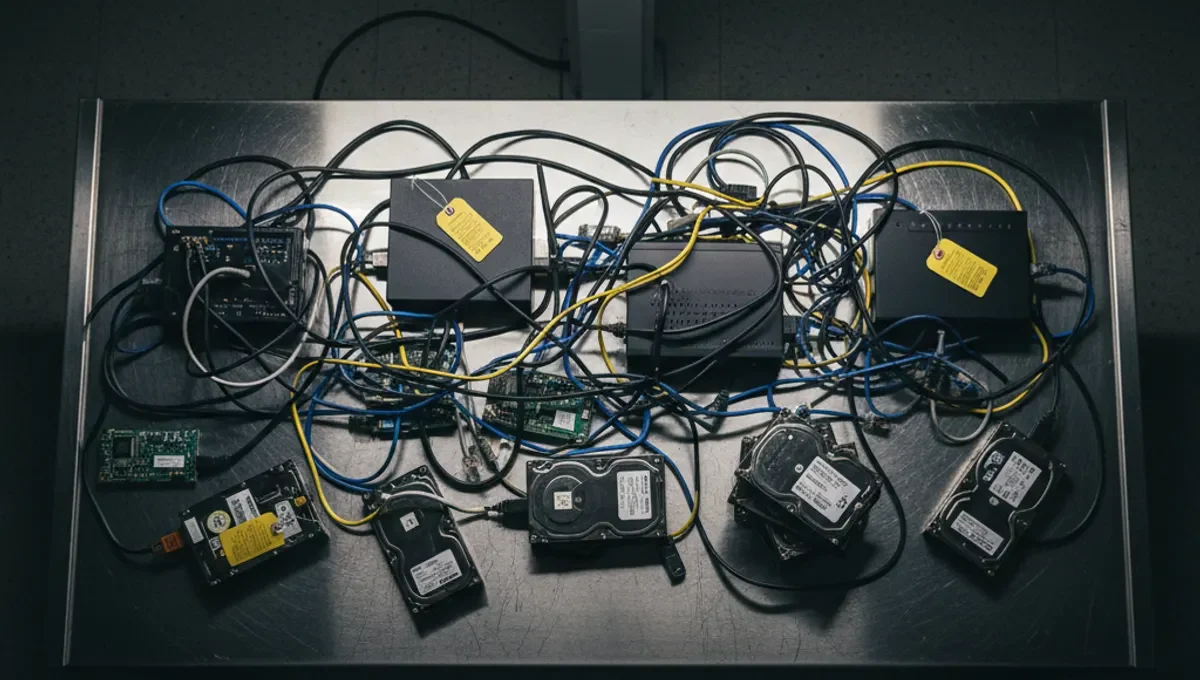
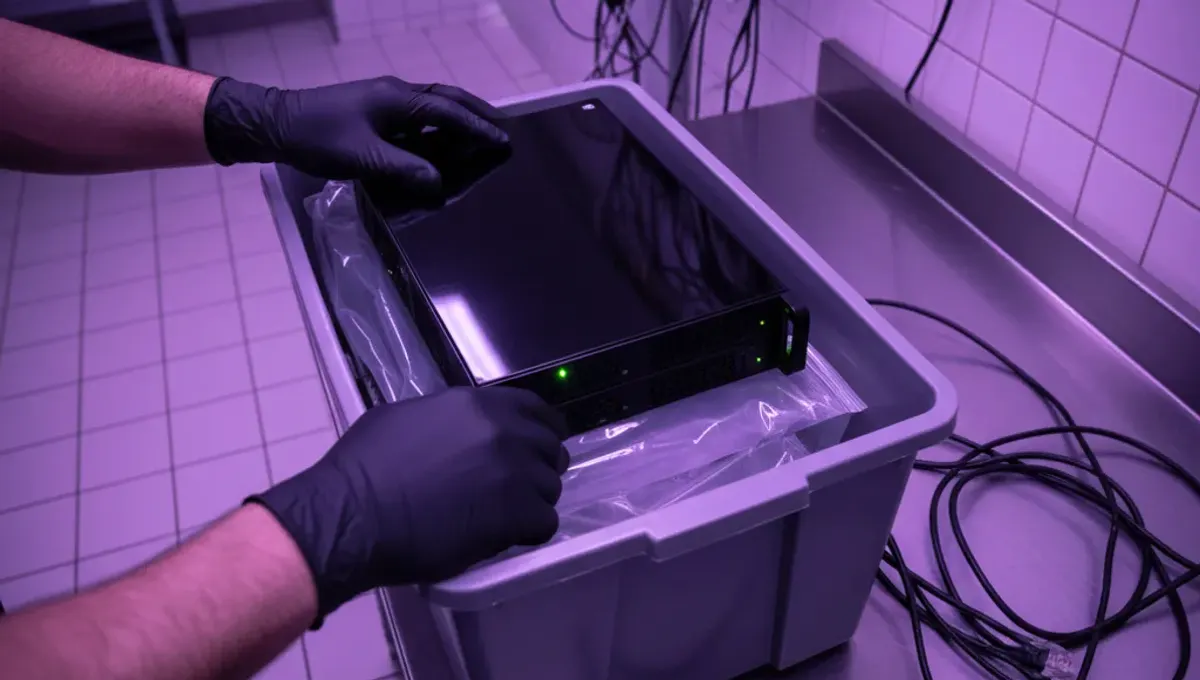
Law enforcement agencies across multiple countries coordinate to identify and shut down dark markets. Seizures typically involve identifying the server infrastructure, obtaining warrants, and arresting operators. Notable operations have resulted in the closure of major marketplaces and the prosecution of their administrators.
India's Cyber Crime Coordination Centre and international partners have conducted operations targeting darknet activity within the country. When a marketplace is seized, law enforcement may preserve user data, transaction records, and vendor information. Users who believed their activity was anonymous may later discover they were identified through blockchain analysis, metadata, or informant tips. The lag between a market's operation and law enforcement action can be months or years, creating a false sense of safety for participants.
Reality Check: What Actually Happens on These Platforms
According to Tor Project documentation and public law enforcement press releases, dark markets experience constant churn. Marketplaces launch, gain users, face operational issues or law enforcement pressure, and close or exit scam within months or a few years. This instability means users cannot rely on any single platform for long-term activity.
Security-vendor incident reports consistently show that users of dark markets face multiple threats: malware from malicious vendors, phishing attacks impersonating legitimate marketplaces, and law enforcement infiltration. Academic research on onion services documents that many users lack basic operational security, such as using dedicated devices or virtual machines, making them vulnerable to browser exploits and malware. The ecosystem is designed to extract value from participants through scams, theft, and law enforcement prosecution. Understanding this reality matters because it clarifies that participation carries real risks that anonymity alone cannot mitigate.
Protecting Yourself: Verification and Safer Practices
If you encounter references to dark markets India or any regional marketplace, verify the information through official sources before trusting it. The Tor Project maintains a list of legitimate onion services. PGP-signed announcements from marketplace operators can be verified, though this requires understanding public-key cryptography.
To reduce risk if you must interact with darknet content, consider these steps:
- Use a dedicated virtual machine or Tails operating system, never your main computer
- Verify onion addresses through multiple independent sources and PGP signatures
- Assume any marketplace may exit scam or be seized at any time
- Never reuse usernames or personal information across platforms
- Use Monero instead of Bitcoin for better privacy, though no cryptocurrency is completely untraceable
- Treat all funds sent as lost immediately upon sending
These practices reduce but do not eliminate risk. The safest approach is to avoid darknet markets entirely.
What This Means for Your Security and Privacy
Dark markets exist because there is demand for goods and services that are illegal, restricted, or difficult to obtain through legitimate channels. The existence of these markets does not mean you should use them. Understanding how they operate, how they fail, and how law enforcement pursues users is valuable for anyone concerned with cybersecurity and privacy.
If you are interested in privacy and anonymity for legitimate reasons, focus on foundational practices: using a VPN from a reputable provider, enabling two-factor authentication on important accounts, and keeping your devices updated. These steps provide real security without the legal and financial risks of darknet markets. If you have been targeted by scams or have concerns about your data appearing in a breach, visit the Useful Resources page of this site for guidance on monitoring and response.
Common Questions
Are dark markets in India legal to use?
No. Dark markets are used primarily to trade illegal goods and services. Using them to buy or sell restricted items violates Indian law and the laws of most countries. Even accessing a marketplace with the intent to purchase illegal goods can result in criminal prosecution.
Can I be traced if I use a dark market?
Tor and cryptocurrency provide anonymity, but they are not foolproof. Law enforcement has successfully de-anonymized darknet users through traffic analysis, malware, and blockchain analysis. Operational security mistakes, such as reusing usernames or revealing personal information, make identification easier. Many users assume they are untraceable and are later arrested.
What is the difference between dark markets in India and other countries?
Dark markets serving India typically focus on goods and services in high demand locally, such as pharmaceuticals and digital services. Markets in other regions like dark markets Austria or dark markets Australia reflect local demand and vendor communities. The underlying technology and risks are similar across all regions.
What should I do if I lost money to a dark market scam?
If you lost cryptocurrency to a scam, the transaction cannot be reversed. You cannot report it to police without admitting your own participation. You can report the scam to blockchain analysis companies or security researchers, but recovery is unlikely. Focus on preventing future losses by avoiding darknet markets entirely.
How do law enforcement agencies shut down dark markets?
Law enforcement identifies the server infrastructure, obtains warrants, and arrests operators. They may preserve user data and transaction records for investigation. Agencies across multiple countries coordinate these operations. Users who believed they were anonymous may later be identified through blockchain analysis or other investigative techniques.