What Was the Cartel Marketplace
The Cartel marketplace was a darknet market that operated as a vendor-to-buyer platform, similar in structure to other large illegal markets that preceded it. Like most cartel marketplace links circulating on forums and Reddit, the site required users to access it through Tor and typically demanded account registration with a username and password. The marketplace accepted Monero as its primary payment method, a privacy-focused cryptocurrency chosen specifically because it offers stronger transaction obfuscation than Bitcoin.
The platform hosted thousands of listings across categories including narcotics, digital goods, and stolen credentials. Vendors maintained reputation scores based on buyer feedback, and the site operators collected a percentage of each transaction as commission. The cartel marketplace URL structure changed periodically to evade detection, and users shared updated cartel market links through forums and encrypted messaging groups to maintain access.
How the Cartel Marketplace Operated
The cartel darknet marketplace functioned using an escrow system where the site held buyer funds until a transaction completed. When a buyer placed an order, payment went into the marketplace's escrow account rather than directly to the vendor. Once the buyer confirmed receipt of goods, the marketplace released the funds to the seller minus its commission fee.
Vendors could list products with photographs, descriptions, and shipping information. The cartel marketplace link allowed repeat customers to leave reviews and ratings, creating a feedback mechanism that theoretically incentivized honest dealing. However, this system also created a target: the marketplace operators held significant cryptocurrency reserves, making the site attractive to both law enforcement and rival criminal groups. Exit scams were common in this ecosystem, where operators would suddenly close the site and disappear with all escrowed funds.
Why Users Trusted Cartel Marketplace Links
Darknet users gravitated toward the cartel marketplace because it offered perceived legitimacy through established reputation systems and consistent uptime. Unlike smaller or newer cartel marketplace URLs, the main site had been operational long enough to build a user base and vendor network. The escrow system provided some protection against outright theft, though it did not prevent vendors from sending empty packages or law enforcement from operating honeypot accounts.
Trust on darknet markets is fragile and transaction-specific. A vendor with a 98% positive rating could still be an undercover agent or a scammer waiting for a high-value order. Users often cross-referenced cartel market links on Reddit and forum discussions to verify they had the correct address, yet phishing clones and mirror sites exploited this behavior by impersonating the legitimate cartel marketplace link and stealing login credentials.
The Reality of Darknet Market Operations
Darknet markets operate under constant pressure from three directions: law enforcement, competing criminals, and technical vulnerabilities. According to public law-enforcement press releases and court records, markets like Cartel were monitored by federal agencies for months or years before takedown operations commenced. This matters because it means that even when a cartel marketplace URL appears stable and well-established, the site may already be under active investigation.
Second, darknet markets are frequent targets for distributed denial-of-service attacks and hacking attempts by rival groups seeking to steal cryptocurrency reserves or customer data. Third, operational security failures by site administrators or vendors regularly lead to deanonymization. A vendor's shipping practices, a marketplace operator's server misconfiguration, or a single unencrypted log file can expose the identity of people behind the cartel darknet marketplace. Users who believe they are anonymous on these sites often face arrest months or years later when investigators piece together transaction records, shipping metadata, and IP logs.
Phishing Clones and Verification Problems
One of the most dangerous aspects of searching for a cartel marketplace link is the proliferation of fake mirrors and phishing sites. Attackers register similar domain names, copy the legitimate site's design, and host the clone on a different server. When users mistype a cartel marketplace URL or click a malicious link, they land on the fake site and enter their credentials, which the attacker captures.
To verify a legitimate cartel marketplace link, users would need to:
- Check the site operator's PGP-signed announcements on trusted forums
- Compare the onion address character-by-character against multiple independent sources
- Verify the site's SSL certificate fingerprint if one was published
- Look for consistent branding and known vendor accounts
Even with these precautions, phishing remains effective because most users skip verification steps. A single moment of inattention when entering a cartel market URL can result in credential theft, account compromise, and loss of funds.
Law Enforcement Takedowns and Market Closures
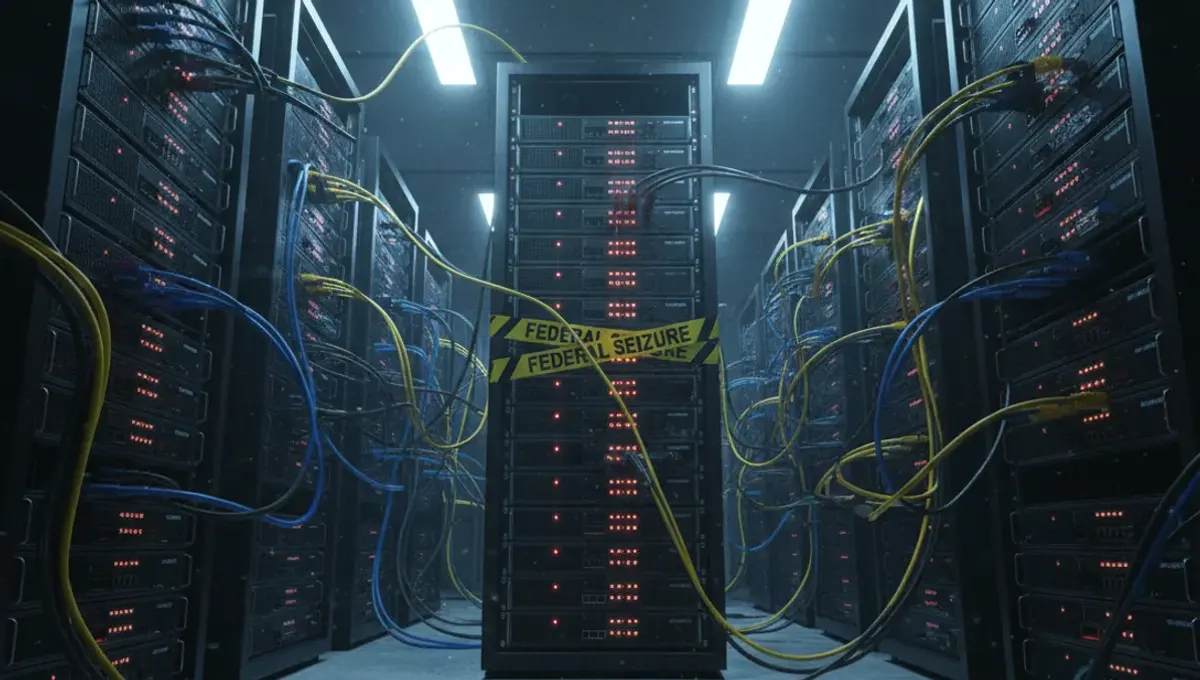
Darknet markets do not operate indefinitely. Law enforcement agencies across multiple countries coordinate investigations into major cartel marketplace operations, and the typical outcome is either a seizure, a shutdown, or an exit scam by the operators themselves. When a cartel marketplace URL suddenly becomes inaccessible, users face uncertainty: the site may be down for maintenance, under attack, seized by police, or abandoned by its administrators.
Public court records and law-enforcement announcements document how investigators traced transactions, identified server locations, and arrested marketplace operators and major vendors. These cases typically involve months of undercover work, financial analysis, and coordination between agencies. The seizure of a major cartel marketplace often results in the arrest of dozens of people and the recovery of millions in cryptocurrency. However, the closure of one marketplace does not eliminate the demand; users migrate to newer platforms, and the cycle repeats.
Risks and Misconceptions About Cartel Marketplace Participation
A common misconception is that using Tor and Monero provides complete anonymity. In reality, law enforcement has successfully prosecuted thousands of darknet market users despite their use of privacy tools. Investigators use transaction analysis, shipping metadata, vendor communication patterns, and traditional detective work to identify suspects.
Another misconception is that small purchases are low-risk. Prosecutors have charged individuals for single transactions, and the legal consequences include federal charges, asset forfeiture, and prison sentences. Users who believe they are anonymous often become careless with operational security: they reuse usernames across sites, discuss purchases in unencrypted messages, or ship packages to their home address.
The financial risk is equally significant. Scams, exit scams, and law enforcement honeypots result in the loss of thousands of dollars for individual users. There is no recourse, no chargeback, and no customer service to contact. Once funds are sent to a cartel marketplace link, they are gone.
What Has Changed Since Major Marketplace Seizures
The darknet market ecosystem has evolved in response to law enforcement pressure. Newer platforms emphasize decentralization, multi-signature escrow, and reduced operator control to mitigate the risk of a single point of failure or seizure. Some markets have experimented with peer-to-peer models that eliminate the need for a central cartel marketplace URL entirely.
However, these changes have not reduced the underlying risks. Decentralized markets are harder to shut down but also offer less buyer protection and more opportunities for scams. Users face the same fundamental problem: they are conducting illegal transactions in an environment where trust is minimal, verification is difficult, and law enforcement is actively investigating. The closure of one cartel marketplace link does not signal the end of darknet commerce; it signals the beginning of a new cycle where users migrate to alternative platforms and repeat the same risky behaviors.
Common Questions
What was the cartel marketplace and where did you access it
The Cartel marketplace was a darknet site accessible only through Tor that functioned as a vendor platform for illegal goods. Users accessed it via a .onion address and required an account to browse or purchase. The site used Monero for transactions and operated an escrow system similar to other large darknet markets. Its current status changes; the reader should verify its operational state through trusted darknet forums and PGP-signed announcements rather than relying on outdated information.
How did law enforcement shut down cartel marketplace
Law enforcement agencies investigated the Cartel marketplace through financial analysis, undercover operations, and server location tracking. Court records document how investigators traced transactions and identified the site's administrators. Takedowns typically involve coordination between multiple countries and result in arrests of operators and major vendors. The specific details of any particular seizure are documented in public court filings and law-enforcement press releases.
Is it safe to use darknet marketplace links like cartel
No. Darknet marketplace participation carries severe legal, financial, and security risks. Users face federal prosecution, asset forfeiture, scams, and deanonymization despite using Tor and Monero. Law enforcement has successfully prosecuted thousands of darknet market users. Even small purchases can result in criminal charges, and there is no recourse if funds are lost to scams or exit scams.
How do I know if a cartel marketplace link is real or a phishing clone
Verify the address against PGP-signed announcements from trusted forums, compare the onion address character-by-character across multiple independent sources, and check for known vendor accounts. However, even with verification, phishing remains a significant risk. The safest approach is to avoid these sites entirely and understand that no verification method is foolproof.
What happened to vendors and buyers who used cartel marketplace
Many vendors and buyers faced federal prosecution, prison sentences, and asset forfeiture. Court records document cases where individuals were identified through transaction analysis, shipping metadata, and communication patterns. Some users were arrested years after their marketplace activity, demonstrating that law enforcement investigations are long-term and persistent.