What Cartel Darknet Market Was
Cartel was a darknet marketplace accessible only through the Tor browser, operating as a vendor-to-buyer platform where users could list and purchase items anonymously. The site used cryptocurrency for transactions, primarily Monero and Bitcoin, to obscure payment trails. Like other cartel marketplace platforms, it required users to create accounts and establish reputation through reviews and transaction history. The marketplace operated on an escrow system where the platform held funds until the buyer confirmed receipt, theoretically protecting both parties from fraud. Cartel darknet market attracted users seeking to avoid traditional payment systems and law enforcement detection, though the anonymity was never absolute.
How Cartel Marketplace Operated on the Dark Web
The cartel marketplace link was distributed through forums, Reddit discussions, and word-of-mouth within the darknet community. Users accessed the site through Tor, which routed their traffic through multiple relays to mask their IP address. Vendors created storefronts listing products with descriptions, prices, and shipping information. The platform took a percentage of each transaction as a fee, creating an incentive to maintain uptime and handle disputes. Buyers and sellers communicated through encrypted messaging within the platform. However, law enforcement agencies worldwide developed techniques to identify marketplace administrators and major vendors by analyzing transaction patterns, monitoring forum discussions, and using undercover operations. The cartel market darknet structure, while designed for anonymity, left traces that determined investigators could eventually follow.
Why Users Trusted and Distrusted Cartel
Users gravitated toward cartel marketplace because it maintained a reputation system similar to legitimate e-commerce platforms. Vendors with positive feedback and long transaction histories were perceived as more trustworthy. The platform's escrow system provided some protection against outright theft, though disputes were common. However, distrust grew as users realized several vulnerabilities. Phishing clones of the cartel darknet marketplace link appeared regularly, stealing login credentials and cryptocurrency from unsuspecting visitors. Some vendors were undercover law enforcement, making arrests after delivery. Exit scams occurred when marketplace administrators suddenly disappeared with user funds held in escrow. The lack of legal recourse meant victims had no way to recover losses, creating a cycle of suspicion and caution within the community.
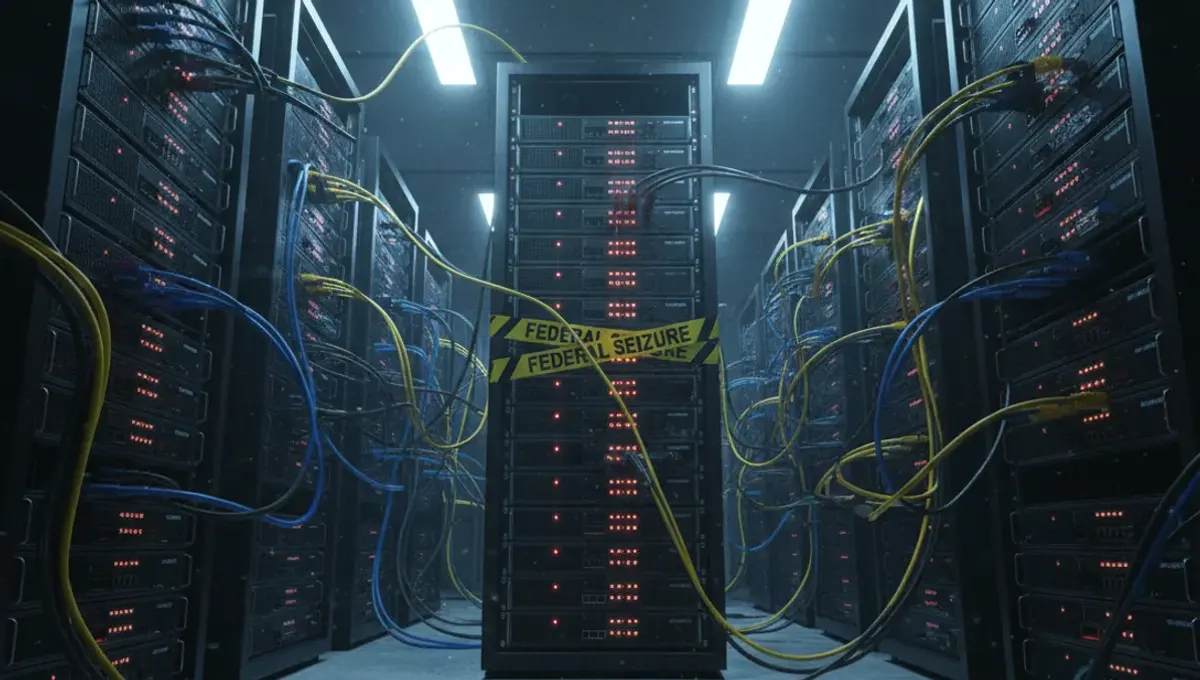
Law Enforcement Actions and Seizure
Law enforcement agencies from multiple countries coordinated efforts to identify and shut down major darknet marketplaces, including cartel market darknet operations. Investigators used blockchain analysis to trace cryptocurrency transactions, subpoenaed hosting providers, and deployed undercover agents as vendors and buyers. Court records and public law-enforcement press releases document how agencies identified marketplace administrators through operational security failures, such as reusing usernames across platforms or making mistakes in cryptocurrency tumbling. Once administrators were identified, arrests followed, and the marketplace was seized. The infrastructure was taken offline, and users lost access to their accounts and any funds held in escrow. This pattern has repeated across multiple cartel marketplace platforms and other major darknet markets, showing that scale and popularity eventually attract law enforcement attention.
Reality Layer: How Darknet Markets Actually Fail
Three key insights explain why cartel marketplace and similar platforms ultimately collapsed. First, Tor Project documentation and academic research on onion services show that while Tor provides strong anonymity for users, marketplace administrators must interact with the physical world to receive payment, manage servers, and handle disputes, creating operational security vulnerabilities that investigators exploit. This matters because it means no purely digital marketplace can remain completely hidden if it reaches significant scale. Second, public law-enforcement press releases and court records reveal that cryptocurrency transactions, though pseudonymous, leave permanent records on the blockchain that forensic analysts can correlate with other data to identify users and vendors. Third, the cartel marketplace link and similar sites attracted both legitimate users and undercover agents, creating a honeypot effect where law enforcement could gather evidence of illegal activity and identify key players. Understanding these realities helps users recognize why promises of perfect anonymity on darknet marketplaces are false and why using such platforms carries substantial legal risk.
Phishing Clones and Verification Risks
After cartel marketplace gained popularity, fraudsters created fake versions of the cartel darknet market link to steal credentials and funds. These clones mimicked the legitimate site's interface and were distributed through compromised forum accounts and misleading links. Users who entered their login details on a clone site had their credentials captured immediately. Distinguishing a real cartel marketplace link from a phishing clone required checking PGP-signed announcements from the marketplace administrators, verifying the onion address against trusted sources, and checking the site's SSL certificate details. Many users failed these verification steps, losing access to their accounts and cryptocurrency. The proliferation of clones created a trust problem that no marketplace could fully solve, since users could never be completely certain they were accessing the legitimate site. This vulnerability affected not only cartel market darknet but every major darknet marketplace, making verification a critical security practice for anyone considering use of such platforms.
Why Cartel Marketplace Matters for Security Awareness
Understanding how cartel marketplace operated and failed provides lessons for broader cybersecurity and privacy awareness. The platform demonstrated that anonymity alone does not protect users from law enforcement, fraud, or operational failures. Users who lost money on cartel marketplace learned that darknet markets offer no consumer protections, no insurance, and no legal recourse. The marketplace also showed how quickly law enforcement adapted to darknet technology, using blockchain analysis, undercover operations, and international coordination to identify and arrest key players. For ordinary users, the cartel marketplace history illustrates why purchasing illegal goods online carries severe legal consequences and why the anonymity offered by Tor and cryptocurrency is not foolproof. For security professionals, the case demonstrates the importance of operational security, the permanence of blockchain records, and the effectiveness of international law enforcement cooperation against darknet infrastructure.
What You Should Know Before Exploring Darknet Marketplaces
If you are researching darknet marketplaces for academic, journalistic, or security purposes, verify information through official sources rather than accessing active sites. The Tor Project documentation explains how onion services work and their legitimate uses, while law-enforcement press releases and court records provide factual accounts of marketplace seizures and arrests. Never assume that any marketplace, including cartel marketplace or its clones, is safe or will remain online. Cryptocurrency transactions are traceable, and law enforcement agencies have successfully prosecuted marketplace users and administrators. If you encounter a cartel marketplace link or similar site, recognize that it may be a phishing clone, a honeypot operated by law enforcement, or a scam designed to steal your funds. The safest approach is to treat all darknet marketplaces as inherently risky and to seek information about them through documented sources rather than direct access. Understanding how these platforms work and fail is valuable for security awareness; using them carries substantial legal and financial risk.
Common Questions
What was cartel marketplace on the dark web
Cartel was a darknet marketplace that operated as a vendor platform for illegal goods, accessible through Tor. It used cryptocurrency for transactions and an escrow system to mediate between buyers and sellers. The platform eventually faced law enforcement action and was seized, like most large darknet markets.
How did cartel darknet market get shut down
Law enforcement agencies used blockchain analysis to trace cryptocurrency transactions, deployed undercover agents, and identified marketplace administrators through operational security failures. Once key players were identified, arrests followed and the infrastructure was seized. Court records document these coordinated international efforts.
Is cartel marketplace still online
The original cartel marketplace was seized by law enforcement. However, phishing clones and copycat sites may appear online using similar names. Any site claiming to be cartel marketplace should be verified through PGP-signed announcements from official sources before trusting it.
Why did people use cartel marketplace instead of other darknet markets
Users chose cartel marketplace based on reputation, vendor feedback, and the escrow system that provided some protection against theft. However, the platform faced the same vulnerabilities as other darknet markets, including phishing clones, undercover law enforcement, and exit scams.
How can I verify if a cartel marketplace link is real
Check for PGP-signed announcements from marketplace administrators, verify the onion address against trusted sources, and examine the site's SSL certificate. However, the safest approach is to treat all darknet marketplaces as risky and seek information through documented law-enforcement and security sources instead.