What Cartel Marketplaces Were
Cartel marketplaces were dark web platforms designed to facilitate the sale of illegal goods, primarily drugs, stolen data, and other contraband. Like other major darknet markets such as alphabay link, archetyp link, and asap link, cartel marketplace link sites operated as decentralized forums where vendors could list products and buyers could browse anonymously using Tor. These platforms typically used cryptocurrency for transactions and employed escrow systems to reduce fraud between parties who had no prior trust relationship. The cartel market link ecosystem mimicked legitimate e-commerce in structure but operated entirely outside legal oversight, making them attractive to both criminals and users seeking to avoid government surveillance.
How Cartel Markets Operated
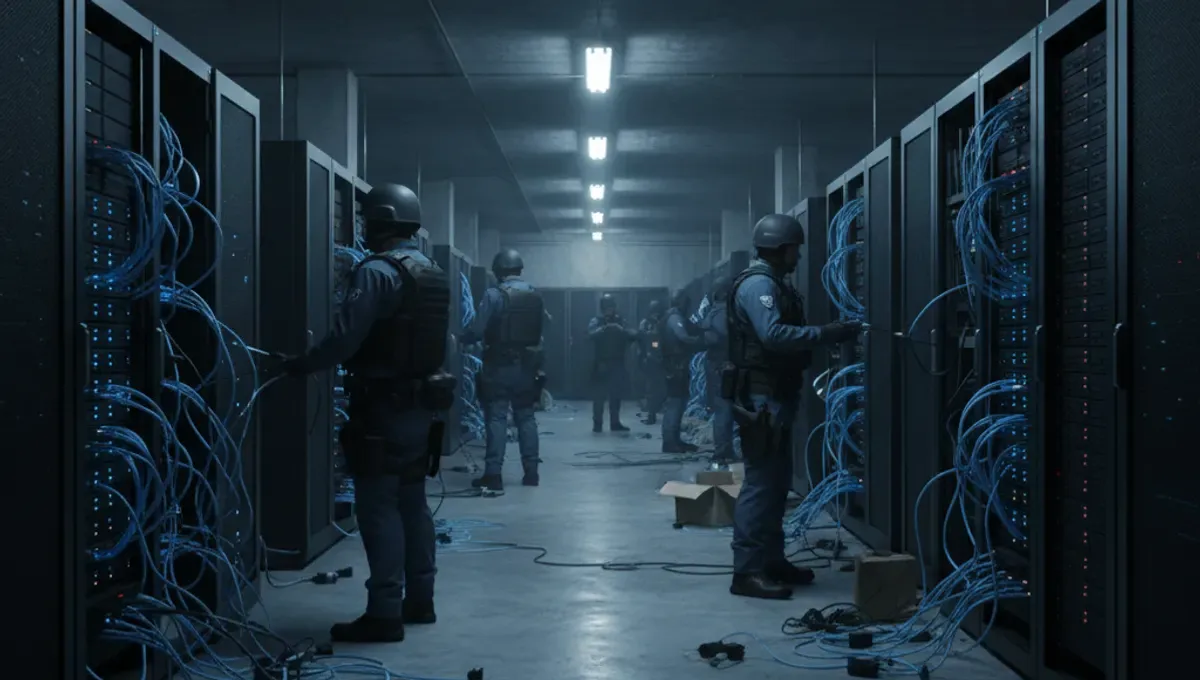
Cartel marketplace link sites functioned through a combination of technical infrastructure and social mechanisms. Administrators maintained the platform code, collected fees from vendors, and moderated disputes. Vendors created accounts, uploaded product listings with images and descriptions, and managed their own inventory and shipping. Buyers searched listings, left reviews, and communicated with vendors through encrypted messaging. The cartel link structure relied on reputation systems where vendors built trust through consistent delivery and positive feedback. Exit scams were common, where administrators would suddenly disappear with accumulated cryptocurrency, leaving users with no recourse. Law enforcement agencies monitored these sites, and many were eventually seized or voluntarily shut down by operators who feared prosecution.
Why Users Sought Out Cartel Links
People searched for cartel link and cartel marketplace link addresses for several reasons, though none justified the legal and personal risks. Some users believed these platforms offered better prices than street dealers or legitimate suppliers. Others valued the perceived anonymity and lack of face-to-face interaction. Certain users were conducting research or journalism. The appeal of alphabay link, archetyp link, and asap link marketplaces stemmed partly from the illusion of safety that Tor and cryptocurrency provided, though this anonymity was frequently overstated. Users often failed to account for the fact that law enforcement had successfully infiltrated, monitored, and shut down major markets. The combination of curiosity, perceived anonymity, and the novelty of dark web commerce drew many people to seek out cartel marketplace link sites, often with little understanding of the actual risks.
Reality Layer: How These Markets Actually Failed
Three key insights explain why cartel links and similar marketplaces consistently failed. First, according to Tor Project documentation and law-enforcement press releases, no amount of encryption or anonymization prevents investigators from identifying patterns of behavior, tracking cryptocurrency transactions, and eventually locating server infrastructure. The FBI, DEA, and international law enforcement agencies successfully dismantled major markets by combining blockchain analysis, undercover operations, and traditional detective work. Second, academic research on onion services shows that marketplace administrators face a fundamental trust problem: they cannot credibly commit to not stealing user funds, and users cannot verify that their transactions are truly private. This asymmetry leads to endemic exit scams and vendor fraud. Third, court records from market seizures reveal that users often reused usernames, email addresses, or personal information across platforms, creating linkages that law enforcement exploited to identify individuals. Understanding these realities matters because they demonstrate that dark web marketplaces are not safer alternatives to regulated commerce; they are higher-risk environments with fewer protections.
Phishing Clones and Verification Problems
One of the most dangerous aspects of seeking cartel link or cartel marketplace link addresses was the proliferation of phishing clones. Scammers would create fake versions of popular marketplaces, including those with cartel branding, and distribute the fraudulent onion addresses through forums, Reddit, and social media. Users who accidentally visited a clone would enter their credentials or deposit cryptocurrency, losing both immediately. Verifying the authenticity of a cartel link required checking PGP-signed announcements from the original administrators, but many users did not understand PGP or did not bother to verify. This verification gap meant that even experienced users sometimes fell victim to sophisticated clones. The problem was compounded by the fact that legitimate marketplace administrators rarely maintained clear, easily accessible verification mechanisms. Anyone considering accessing any dark web marketplace should check the Useful Resources page of this site and only follow PGP-signed links from official announcements, never from third-party forums or search results.
Legal and Law-Enforcement Context
Accessing, using, or operating cartel marketplace link sites carried serious legal consequences in virtually all jurisdictions. Purchasing illegal goods through these platforms constituted drug trafficking, money laundering, or receiving stolen property depending on the goods involved. Operating a marketplace like a cartel link site exposed administrators to charges of conspiracy, money laundering, and facilitating drug trafficking. Law enforcement agencies worldwide prioritized dark web marketplace investigations, resulting in high-profile seizures and arrests. Court records show that users believed to be anonymous were often identified through blockchain analysis, IP address leaks, or operational security mistakes. Even users who took precautions faced risks from malware, phishing, and law enforcement honeypots. The legal exposure extended beyond the initial purchase; users could face prosecution years later if they were identified through subsequent investigations or data breaches.
What Happened to Cartel and Similar Markets
The specific status of marketplaces branded as cartel or using cartel marketplace link names changed over time, and readers should verify current information rather than relying on outdated claims. Like alphabay link, archetyp link, and asap link platforms, cartel-branded markets either shut down voluntarily, were seized by law enforcement, or exit scammed. Some operators rebranded and relaunched under new names, while others disappeared entirely. The pattern across the dark web marketplace ecosystem shows that no major platform has remained continuously operational for more than a few years without facing serious disruption. Each closure or seizure was followed by users migrating to successor platforms, creating a cycle of market emergence, growth, law enforcement action, and replacement. Understanding this cycle is important for recognizing that dark web markets are inherently unstable and that the promise of a permanent, trustworthy marketplace has never materialized.
Safer Ways to Verify Any Dark Web Address
If you encounter any reference to a cartel link, cartel marketplace link, or similar dark web marketplace address, use these verification steps before considering any interaction. First, check the Useful Resources page of this site for guidance on legitimate verification methods. Second, look for PGP-signed announcements from the claimed administrators on established forums or the official project website. Third, verify the PGP signature using the administrator's public key, which should be available through multiple independent sources. Fourth, cross-reference the address with recent security research or law-enforcement announcements to confirm the site's current status. Fifth, assume that any marketplace offering illegal goods is either a scam, a honeypot, or operating under active law enforcement surveillance. The safest approach is to avoid dark web marketplaces entirely and to recognize that the risks of using them far outweigh any perceived benefits. If you are researching dark web markets for academic or journalistic purposes, consult published research, court documents, and law-enforcement reports rather than attempting to access active sites.
Common Questions
What was a cartel link on the dark web
A cartel link was an onion address pointing to a dark web marketplace that sold illegal goods under the cartel brand or similar name. These sites operated on Tor and used cryptocurrency for transactions. Like other major darknet markets, they eventually faced law enforcement action or exit scams.
How did cartel marketplace links get shut down
Cartel marketplace link sites were shut down through law enforcement seizures, voluntary closures by operators, or exit scams where administrators disappeared with user funds. Investigators used blockchain analysis, undercover operations, and traditional detective work to identify and dismantle these platforms.
Are cartel marketplace links still active
The status of cartel-branded marketplaces changes over time. Some were seized years ago, others exit scammed, and some may have rebranded. Rather than searching for active cartel links, readers should consult recent law-enforcement announcements or security research to verify the current status of any claimed marketplace.
How do I know if a cartel link is real or a phishing clone
Verify any cartel link or cartel marketplace link by checking for PGP-signed announcements from the claimed administrators and verifying the signature with their public key. Phishing clones are common, so never trust an address from third-party forums or search results. Consult the Useful Resources page of this site for safe verification methods.
What are the risks of accessing cartel marketplace links
Accessing cartel marketplace link sites exposes you to legal prosecution for drug trafficking or receiving stolen property, phishing scams, malware, law enforcement honeypots, and exit scams. Users believed to be anonymous are often identified through blockchain analysis or operational security mistakes, sometimes years after their initial activity.