What Are Dark Web Sites
Dark web sites are websites hosted on overlay networks like Tor, I2P or Freenet, where both the server and user identities are obscured through multiple layers of encryption and routing. Unlike the surface web, which search engines index, dark web sites use .onion addresses (on Tor) that are not discoverable through conventional means. Access requires specific software, most commonly the Tor Browser, which routes traffic through volunteer-operated relays. The term encompasses everything from privacy-focused news archives and whistleblower platforms to forums discussing security research, cryptocurrency, and illegal goods. The technical architecture itself is neutral; what matters is how people use it. A dark web link might lead to a legitimate privacy resource or to a marketplace selling stolen data, depending on where you go.
The History of Dark Web Marketplaces
The first recognizable dark web market, Silk Road, launched around 2011 and operated until its seizure by law enforcement in 2013. Its creator, Ross Ulbricht, was arrested and convicted; the site became a case study in how law enforcement could identify and shut down even supposedly anonymous operations. After Silk Road's closure, dozens of successor markets emerged: Alphabay, Hansa, Dream Market, Wall Street Market, and others. Each claimed to have better security or operational practices than its predecessors, yet most were eventually seized, exit-scammed, or compromised by law enforcement infiltration. The pattern repeated: a market would gain users and reputation, then vanish suddenly, taking deposits with it or being taken down by authorities. This cycle demonstrated that no dark web market has proven permanently secure or trustworthy, despite claims of decentralization or improved protocols.
How Dark Web Markets Operated
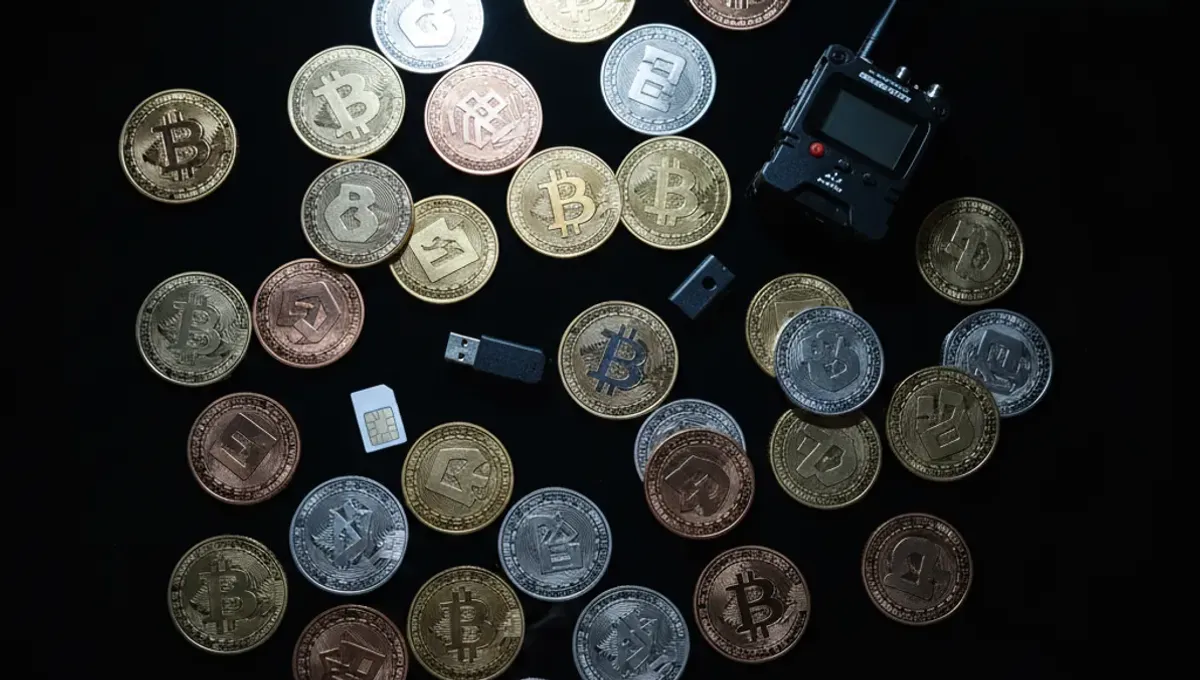
Dark web drug marketplaces typically functioned as escrow platforms where buyers and sellers never met directly. A user would browse product listings, place an order, and send cryptocurrency (usually Bitcoin or Monero) to an address held by the market operator. The vendor would then ship the product; once the buyer confirmed receipt, the market would release the funds to the seller. Vendors built reputation through reviews and feedback, similar to eBay. Markets charged commissions on transactions and sometimes required vendor bonds to reduce fraud. The anonymity layer meant that disputes were resolved through market staff (who were themselves anonymous), and there was no legal recourse if a vendor disappeared or a buyer never received goods. This escrow model became the template for nearly all subsequent dark web drug markets and other illegal marketplaces, though the technical details and security measures varied.
Why Dark Web Sites Matter for Security Awareness
Understanding dark web markets and forums is crucial for recognizing how cybercrime operates at scale. When a data breach occurs, stolen credentials and personal information often appear for sale on dark web marketplaces within hours. Security teams monitor these sites to detect when their organization's data has been compromised. Law enforcement agencies track dark web activity to identify ransomware operations, money laundering networks, and trafficking rings. For ordinary users, awareness of how these ecosystems function helps explain why password reuse is dangerous (stolen credentials are immediately tested and resold) and why data breaches matter beyond the initial incident. The dark web is not a separate internet; it is an extension of the same digital economy where your data has value. Phishing attacks, malware distribution, and social engineering often originate from networks that coordinate on dark web forums.
Reality Check: What Actually Happens on Dark Web Sites
According to Tor Project documentation, the majority of dark web traffic is legitimate: journalists, activists, and privacy-conscious individuals use Tor daily without accessing illegal content. However, law-enforcement press releases and court records consistently show that dark web marketplaces attract scammers, exit-scammers, and undercover agents. A common pattern: a market operator collects deposits from thousands of users, then disappears with the funds (exit scam) or is arrested and the site is seized. Phishing clones are rampant; attackers create fake mirrors of popular markets to steal login credentials and cryptocurrency. Security-vendor incident reports document that many users lose money not to law enforcement but to other criminals. The anonymity that protects journalists also protects fraudsters, which is why trust on dark web sites is always provisional. For readers: this means that any dark web market link you find today may be a phishing clone, a honeypot, or an exit scam in progress. Verification through PGP-signed announcements (if available) is the only defense.
Phishing Clones and Verification
One of the most effective attacks against dark web users is the phishing clone: a fake version of a popular market or forum that looks identical to the real one but is controlled by attackers. A user might find what they think is a link to a market, log in with their credentials, and unknowingly hand over their username, password, and any stored funds to criminals. The attacker then either uses the credentials to access the real market or sells them. Clones are so common that many experienced users assume any dark web link they encounter is fake until proven otherwise. Legitimate dark web sites sometimes publish PGP-signed announcements with their official .onion address and a cryptographic signature that can be verified. If a site does not provide this, or if the signature does not verify, assume it is a clone. The Tor Project's official resources and this site's Useful Resources page list verified addresses for legitimate projects. Never trust a dark web link from an untrusted source, no matter how convincing the site looks.
Risks and Misconceptions
A common misconception is that using Tor or accessing dark web sites automatically makes you anonymous and untraceable. In reality, anonymity depends on your entire operational security posture: your device, your browser configuration, your behavior, and the site's actual security. Law enforcement has successfully identified and prosecuted dark web users through metadata analysis, browser fingerprinting, and behavioral patterns. Another misconception is that dark web markets are safer than surface web alternatives because they are hidden. In fact, the lack of legal recourse and the prevalence of scams make dark web purchases far riskier. Users who buy from dark web drug markets face not only criminal liability but also the risk of receiving counterfeit or contaminated products, being scammed, or being identified through transaction analysis. A third misconception is that everything on the dark web is illegal. Legitimate privacy tools, news archives, and forums exist alongside illegal content. The dark web itself is a technology; legality depends on what you do with it.
What You Can Do Today
If you are concerned about your digital security, start by understanding that the dark web is not a separate solution but a symptom of broader privacy and security challenges. Use strong, unique passwords for every account and enable two-factor authentication where available. If you are a security professional or researcher, learn how to access Tor safely using Tails or Whonix (operating systems designed for anonymity) and how to verify PGP signatures. If you have been affected by a data breach, check whether your credentials appear on dark web marketplaces using the resources on this site's Useful Resources page. If you are a journalist or activist in a country with internet censorship, research Tor and other circumvention tools through official channels before you need them. Do not assume that accessing the dark web makes you safe; assume instead that it is a tool that requires careful, informed use. Your next step: visit the Useful Resources section of this site to find verified links to official Tor Project documentation and security guides.
Common Questions
What is the difference between the dark web and the deep web
The deep web is any part of the internet not indexed by search engines, including private email accounts and paywalled content. The dark web is a small part of the deep web that has been intentionally hidden and requires specific software like Tor to access. Most of the deep web is mundane and legal; the dark web is where anonymity is the primary feature.
Are all dark web sites illegal
No. Many dark web sites are legitimate: news outlets, privacy organizations, and forums for security research operate on Tor. However, the anonymity that protects journalists also attracts illegal marketplaces and scammers. The technology itself is neutral; legality depends on the content and activity.
How do law enforcement find dark web users
Law enforcement uses multiple techniques: metadata analysis, browser fingerprinting, infiltration of markets and forums, and cooperation with internet service providers. They also exploit operational security mistakes by users, such as reusing usernames or revealing personal information. Tor provides strong anonymity, but it is not a guarantee of complete untraceability.
What should I do if I find a dark web link online
Do not click it unless you have verified it through an official source and understand the risks. Most dark web links you encounter are phishing clones designed to steal credentials. If you need to access a legitimate dark web resource, find the official announcement and verify the PGP signature before visiting.
Is it illegal to access the dark web
Accessing Tor and the dark web is legal in most countries. However, accessing illegal content or engaging in illegal transactions is a crime. Your location and local laws matter; some countries restrict Tor use. Using the dark web for legitimate purposes like privacy research or accessing censored information is legal in most jurisdictions.