Why Bitcoin Became the Dark Web Currency
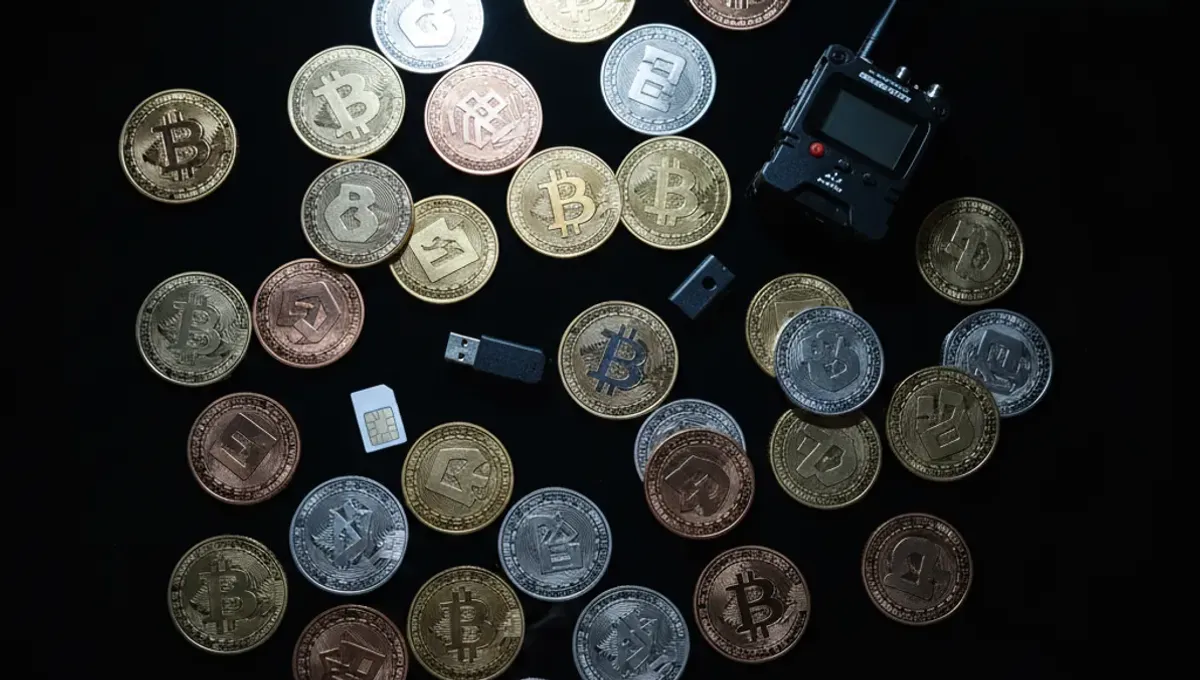
When the first major dark web markets launched in the early 2010s, they needed a payment method that did not require a bank account or credit card company approval. Bitcoin fit that need because it was decentralized, pseudonymous by default, and could be sent across borders instantly. Vendors and buyers could exchange value without revealing their legal identity to a payment processor.
However, pseudonymity is not anonymity. Every bitcoin transaction is permanently recorded on the blockchain, a public distributed ledger. This means that if a buyer's bitcoin address is ever linked to their real identity, all their past and future transactions using that address become traceable. Law enforcement agencies have invested heavily in blockchain analysis tools to follow the money trail from dark web markets to exchanges, wallets and eventually to individuals.
How Dark Web Markets Used Bitcoin
Dark web marketplaces typically operated as escrow services. A buyer would send bitcoin to an address controlled by the market platform, which held the funds until the seller confirmed delivery. Once the transaction was complete, the market released the bitcoin to the vendor, minus a commission.
This model created a central point of failure. When a dark web market was seized by law enforcement, investigators could often recover the bitcoin held in the market's wallets. Several high-profile dark web drug marketplaces and forums accumulated millions of dollars in bitcoin before being shut down. The seized funds became evidence in prosecutions and were sometimes returned to victims or liquidated by government agencies. Vendors and buyers who had sent bitcoin to these markets often lost their funds entirely, either to law enforcement seizure or to exit scams where market operators simply disappeared with the money.
Tracing Bitcoin on the Dark Web
Bitcoin's public ledger makes it vulnerable to forensic analysis. Blockchain analysis firms use clustering techniques to group addresses that likely belong to the same entity, and they track transactions across exchanges and mixing services to identify patterns.
When a dark web market is seized, investigators obtain the private keys to the market's wallets and can see exactly which addresses sent and received bitcoin. They then follow those addresses to cryptocurrency exchanges, where users must provide identity verification to cash out. This is where most dark web market operators get caught. A vendor or buyer who moves their dark web earnings to a regulated exchange to convert bitcoin to fiat currency must pass know-your-customer checks, creating a direct link between their pseudonymous dark web identity and their legal name. Law enforcement has used this technique to prosecute thousands of dark web drug marketplace participants and other criminals.
Monero and the Shift Away from Bitcoin
By the late 2010s, some dark web markets began accepting Monero, a cryptocurrency designed with privacy as a core feature. Monero transactions are private by default, with sender, receiver and amount hidden on the ledger. This made Monero much harder for blockchain analysis tools to trace.
Several dark web drug marketplaces and forums added Monero as an option alongside bitcoin, and newer markets launched with Monero as the primary currency. However, bitcoin remained dominant on many older dark web sites and forums because of its liquidity and established user base. The shift toward Monero reflects an ongoing arms race between privacy-focused users and law enforcement capabilities. Each time a dark web market is seized or a major vendor is arrested, participants learn that bitcoin leaves a traceable record, and some migrate to more private alternatives.
Reality Layer: What Actually Happens
According to Tor Project documentation and public law enforcement press releases, the majority of dark web market seizures have been enabled by bitcoin transaction analysis, not by compromising the Tor network itself. This matters because it shows that technical anonymity is only one part of operational security; financial discipline is equally critical.
Court records from prosecutions of dark web drug marketplace operators and vendors show that most were caught not because their bitcoin was traced in real time, but because they eventually cashed out or spent their funds in ways that revealed their identity. A vendor who buys a house, a car or luxury goods with proceeds from a dark web market will eventually trigger financial reporting requirements or suspicious activity reports at banks, creating a paper trail.
Security-vendor incident reports on dark web market breaches and law enforcement actions consistently show that markets holding large bitcoin reserves become high-value targets. Once a market accumulates millions of dollars, it becomes worth the effort for law enforcement to pursue, for rival criminals to attack, or for the operators themselves to steal and disappear. This dynamic has led to the collapse of multiple major dark web sites and forums.
Risks for Buyers and Sellers
Users of dark web markets face several financial risks beyond law enforcement. If a market is seized, their funds are lost. If a market operators run an exit scam, their funds are stolen. If they send bitcoin to a scammer posing as a vendor, the transaction is irreversible.
Additionally, even if a user takes steps to mix or tumble their bitcoin before sending it to a dark web market, the mixing service itself may be compromised, monitored or operated by law enforcement. Several dark web link directories and forums have warned users that mixing services are not reliable privacy tools. A user who assumes their bitcoin is untraceable after mixing may be mistaken, and if they later move those funds to an exchange, they could still be identified.
For vendors, the risks are higher. A vendor who accumulates large amounts of bitcoin on a dark web market is a target for theft, extortion and law enforcement investigation. The longer they hold the funds, the greater the risk that the market will be seized or that they will be identified when they attempt to cash out.
What Ordinary Users Should Know
Most people do not buy or sell on dark web markets, but understanding how bitcoin and dark web sites interact is relevant to broader cybersecurity awareness. If you receive a message claiming to be from a dark web market or forum asking you to send bitcoin, it is almost certainly a scam. Legitimate dark web marketplaces do not recruit users via email or social media.
If you are curious about how dark web markets operate from a technical or historical perspective, read about past seizures and prosecutions rather than visiting active sites. Law enforcement agencies publish detailed reports on how they traced dark web drug marketplaces and other illicit operations, and these reports are more reliable than rumors on forums. If you are concerned about your own privacy and financial security, focus on standard practices: use a reputable VPN, enable two-factor authentication on your cryptocurrency exchange accounts, and never assume that any cryptocurrency transaction is completely untraceable.
Common Questions
Is bitcoin anonymous on the dark web
Bitcoin is pseudonymous, not anonymous. Transactions are recorded on a public ledger and can be traced if a bitcoin address is linked to a real identity. Law enforcement uses blockchain analysis to follow the money from dark web markets to exchanges and individuals. For true privacy, some dark web sites now accept Monero instead.
Can you trace bitcoin transactions on dark web markets
Yes. Blockchain analysis firms and law enforcement can trace bitcoin transactions by clustering addresses, following them to exchanges, and matching them to identity verification records. Most dark web market operators have been caught this way when they attempted to convert their bitcoin to fiat currency.
What happens to bitcoin seized from dark web markets
Seized bitcoin becomes evidence in criminal prosecutions. Governments may hold it pending trial, liquidate it, or return it to victims. Some law enforcement agencies have auctioned seized cryptocurrency or held it in government wallets, creating a public record of the seizure.
Why do dark web sites still use bitcoin if it is traceable
Bitcoin remains dominant on many dark web markets because it has high liquidity, an established user base, and is easier to acquire than Monero. Many users are familiar with it, and some accept the tracing risk. Newer or privacy-focused dark web markets have shifted to Monero, but the transition is slow.
Can bitcoin mixing services hide dark web transactions
Bitcoin mixing services claim to obscure transaction trails, but they are not reliable. Some mixing services are monitored or operated by law enforcement. Users who mix their bitcoin and then move it to an exchange still face identification when they verify their identity for cash-out.