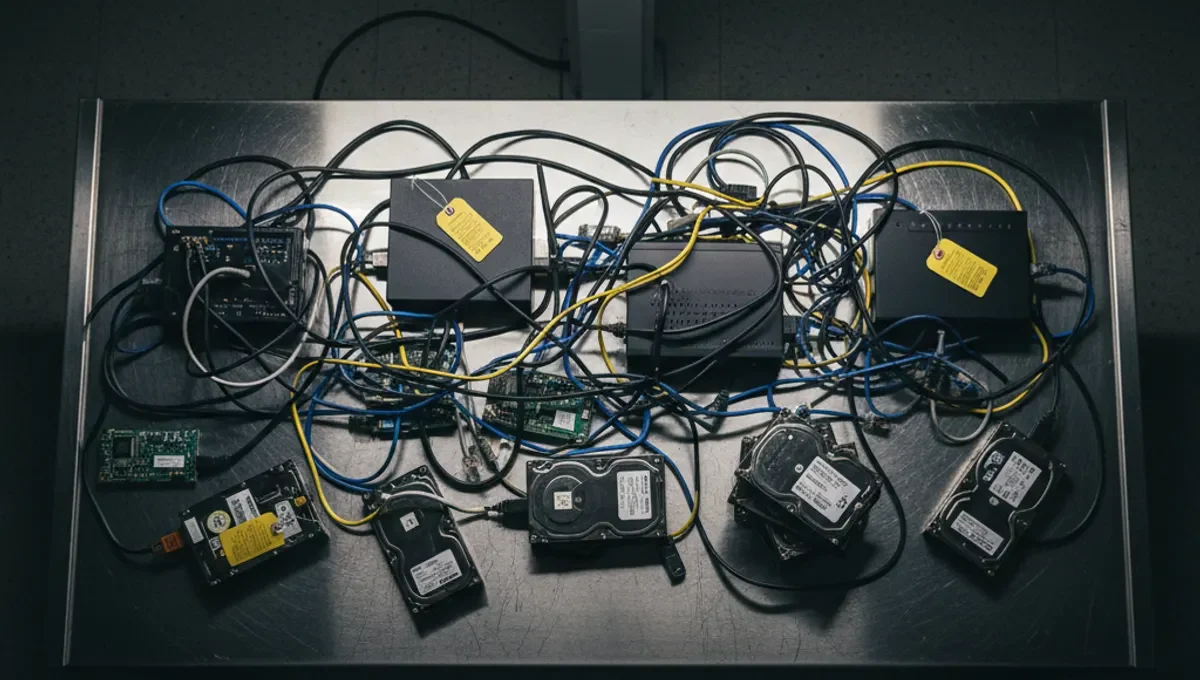
What Are Dark Markets and How They Operate
Dark markets are online platforms accessible through the Tor network, where users can trade goods and services with relative anonymity. These marketplaces use cryptocurrency for transactions, typically requiring users to access them via the Tor Browser. The infrastructure relies on onion services, which route traffic through multiple relays to obscure user location and identity.
Markets in South Korea operate similarly to those in dark markets korea, dark markets albania, and dark markets andorra, using encrypted communication and escrow systems to facilitate trades. Vendors and buyers interact through pseudonyms, and disputes are resolved by marketplace administrators rather than legal authorities. The anonymity layer is the primary draw for users seeking to avoid surveillance or legal scrutiny.
Legal Framework and Law Enforcement Response
South Korea enforces strict cybercrime legislation under the Act on Promotion of Information and Communications Network Utilization and Information Protection. The National Police Agency and the Korea Internet and Security Agency actively monitor dark web activity and pursue investigations into marketplace operators and high-volume vendors.
Law enforcement has conducted multiple operations targeting dark market users and administrators. Court records show that South Korean authorities have successfully prosecuted individuals for operating marketplaces and facilitating illegal transactions. The country's approach mirrors enforcement patterns seen in dark markets argentina and dark markets australia, where coordinated investigations have led to arrests and asset seizures. Penalties include imprisonment and substantial fines, making participation a significant legal risk.
Market Structure and Transaction Methods
Dark markets operating in or serving South Korean users typically employ a tiered vendor system. New sellers must build reputation through completed transactions before accessing higher-value listings. Escrow systems hold cryptocurrency in a neutral account until both buyer and seller confirm transaction completion.
Monero and Bitcoin are the primary payment methods, though Monero is increasingly preferred due to its enhanced privacy features compared to Bitcoin's transparent ledger. Markets charge commission fees on transactions, typically ranging from 2 to 5 percent. Dispute resolution involves marketplace administrators reviewing evidence from both parties, though this system offers no legal recourse if an administrator disappears or conducts an exit scam. Users in South Korea face additional complexity because local banking systems are heavily regulated and monitored for cryptocurrency transfers.
Reality Layer: How the Ecosystem Actually Functions
According to Tor Project documentation on onion service security, marketplace operators face constant pressure from law enforcement infiltration and distributed denial-of-service attacks. This instability means that markets frequently go offline, migrate to new addresses, or exit with user funds. Security-vendor incident reports document that phishing clones of legitimate marketplace addresses are common, with scammers creating nearly identical onion URLs to steal login credentials and cryptocurrency.
Public law-enforcement press releases from South Korean authorities reveal that marketplace users often underestimate detection risk. IP address leaks through misconfigured browsers, malware infections, and operational security failures have led to arrests of individuals who believed themselves anonymous. Academic research on onion services shows that market administrators maintain detailed logs of user activity, creating a permanent record that can be seized during raids. For readers, this means that using a marketplace is not a guarantee of anonymity, and law enforcement has proven capable of de-anonymizing users through technical and investigative means.
Risks and Common Misconceptions
A widespread misconception is that using Tor Browser alone provides complete anonymity. In reality, user behavior, browser fingerprinting, and operational security failures are the primary vectors for de-anonymization. Many users are caught not through marketplace vulnerabilities but through mistakes like reusing usernames, logging into personal accounts while connected to a marketplace, or failing to disable JavaScript.
Scams are endemic to dark markets. Exit scams occur when marketplace administrators abruptly close the platform and retain all held cryptocurrency. Vendor scams involve sellers taking payment without delivering goods. Phishing attacks target users through fake marketplace mirrors and malicious links. South Korean users face additional risks because local law enforcement has demonstrated sophisticated technical capabilities and willingness to pursue cases aggressively. The perception that dark markets are safer than surface web transactions is false; they introduce entirely new categories of risk.
Comparison with Regional Markets
Dark markets operating across different regions share common infrastructure but face distinct legal environments. Markets serving dark markets andorra and dark markets albania operate in jurisdictions with different enforcement capabilities compared to South Korea. Markets in dark markets australia face highly coordinated law enforcement with international cooperation agreements, similar to South Korea's participation in cybercrime task forces.
The primary difference is enforcement intensity and technical sophistication. South Korean authorities have demonstrated advanced capabilities in blockchain analysis, network forensics, and cross-border cooperation. Markets serving the region must adapt operational security accordingly. Vendors operating across multiple regions often segment their activities to reduce exposure in high-enforcement jurisdictions. Users should understand that the legal risk profile varies significantly by location, and South Korea represents a higher-risk environment than some other countries.
Staying Safe: Practical Security Measures
If you are researching dark markets for security awareness or academic purposes, several technical measures reduce risk. Use a dedicated virtual machine running Tails or Whonix, which are operating systems designed for anonymity and leave no persistent traces on your computer. These systems route all traffic through Tor by default and disable JavaScript automatically.
Verify marketplace addresses through PGP-signed announcements from official sources rather than relying on search results or forum links. Phishing clones are extremely common, and visiting a fake marketplace can result in credential theft or malware infection. Never enable browser plugins or extensions, as these can leak your real IP address. Disable JavaScript in Tor Browser settings. Use a hardware wallet for cryptocurrency rather than storing funds on a marketplace or exchange. Keep your operating system and all software fully updated. If you are a journalist, researcher, or security professional with legitimate reasons to access dark markets, consult with your organization's security team before proceeding.
What Happens After Law Enforcement Action
When South Korean authorities shut down a marketplace, the immediate consequence is loss of access for all users. Cryptocurrency held in escrow is typically seized as evidence. Users with active accounts lose any funds they had deposited. Law enforcement then analyzes marketplace databases to identify users, vendors, and administrators.
Historically, marketplace seizures have led to waves of arrests months or years after the initial shutdown, as investigators work through transaction records and user logs. Users who believe they were anonymous often discover otherwise when served with legal notices. The aftermath of a marketplace closure creates a vacuum that new platforms attempt to fill, perpetuating the cycle. For anyone considering participation, the long-term legal exposure extends far beyond the initial transaction. Court records show that users arrested years after a marketplace closure faced charges based on evidence preserved during the seizure.
Common Questions
Are dark markets legal in South Korea
No. Operating or using dark markets for illegal transactions violates South Korean cybercrime law. Law enforcement actively investigates marketplace activity and has prosecuted both operators and users. Even accessing a marketplace for research purposes carries legal risk if you engage in transactions. Consult legal counsel before any involvement.
Can I be traced if I use Tor to access dark markets
Tor provides anonymity at the network level, but user behavior, operational security mistakes, and law enforcement technical capabilities can lead to de-anonymization. Reusing usernames, logging into personal accounts, browser fingerprinting, and malware infections are common vectors for identification. South Korean authorities have demonstrated sophisticated blockchain analysis and network forensics capabilities.
What happens if a dark market I used gets shut down
Law enforcement seizes the marketplace database, including transaction records and user logs. Investigators analyze this data to identify participants. Arrests can occur months or years after a shutdown as authorities work through evidence. Cryptocurrency held on the marketplace is typically seized. Users face potential criminal charges based on their transaction history.
How do I verify a dark market address is legitimate
Look for PGP-signed announcements from official marketplace sources rather than relying on search results or forum links. Phishing clones with nearly identical onion addresses are extremely common. Never assume a marketplace URL is correct without verification through multiple trusted sources. When in doubt, do not access the site.
What is the difference between dark markets in South Korea and other countries
South Korean law enforcement has demonstrated advanced technical capabilities and aggressive prosecution policies. The legal environment is higher-risk compared to some other jurisdictions. Markets serving the region must adapt security accordingly. International cooperation agreements mean that South Korean authorities can coordinate with law enforcement in other countries to pursue cases.