What Wall Street Market Was
Wall Street Market operated as a multi-vendor darknet marketplace where users could buy and sell goods and services using cryptocurrency. It functioned similarly to other large markets of its era: vendors maintained storefronts, buyers left reviews, and the platform took a commission on transactions. The marketplace attracted a significant user base partly because it offered escrow services and a dispute-resolution system, features that reduced the risk of outright theft compared to unmoderated forums. Like most darknet markets, it required access via the Tor browser and was accessible only through an onion address. The market positioned itself as a successor to earlier platforms, drawing users who sought a marketplace with perceived better security and user protections than its predecessors.
How Wall Street Market Operated
The marketplace used a standard darknet market structure. Users created accounts, vendors listed items, and transactions occurred in cryptocurrency held in escrow by the platform. Buyers and sellers communicated through encrypted messages within the site. The platform charged fees on completed transactions and offered account verification systems to help users identify trusted vendors. Wall Street Market also maintained a forum section where users discussed security practices, shared vendor feedback, and reported suspected scams. Like other markets of that period, it relied on the Tor network's anonymity features to shield the platform's operators and users from law enforcement. However, this anonymity also meant that users had no recourse if the operators decided to exit scam, a risk that materialized for many darknet market users over the years.
The Seizure and Shutdown
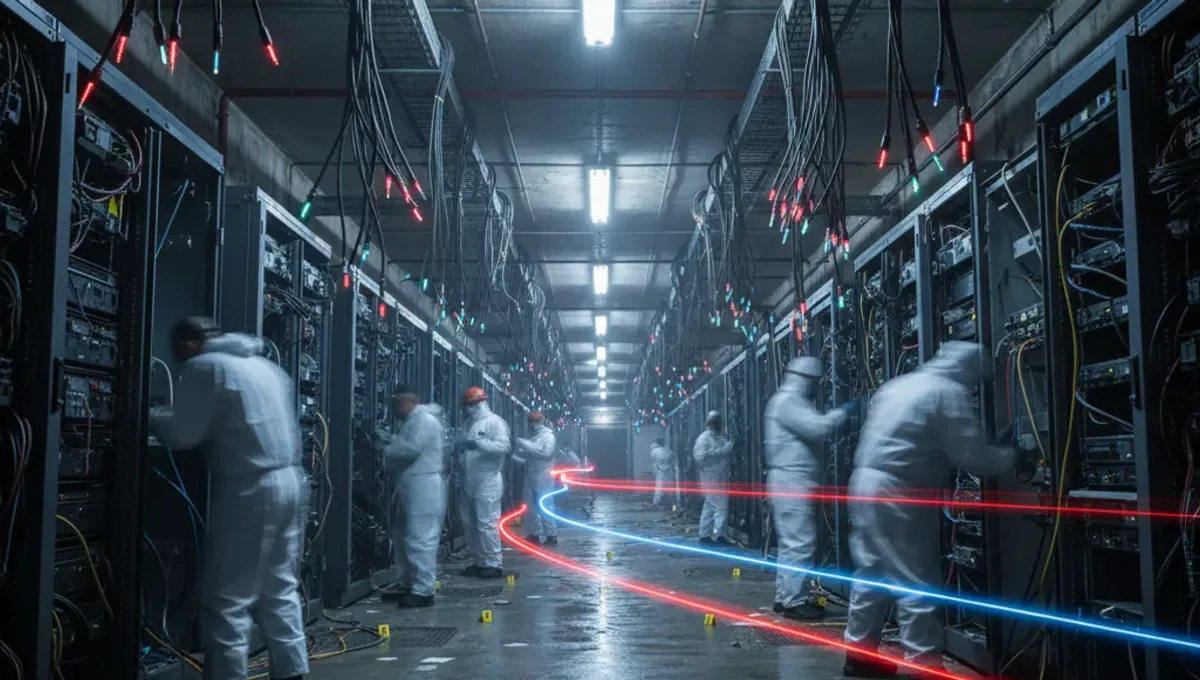
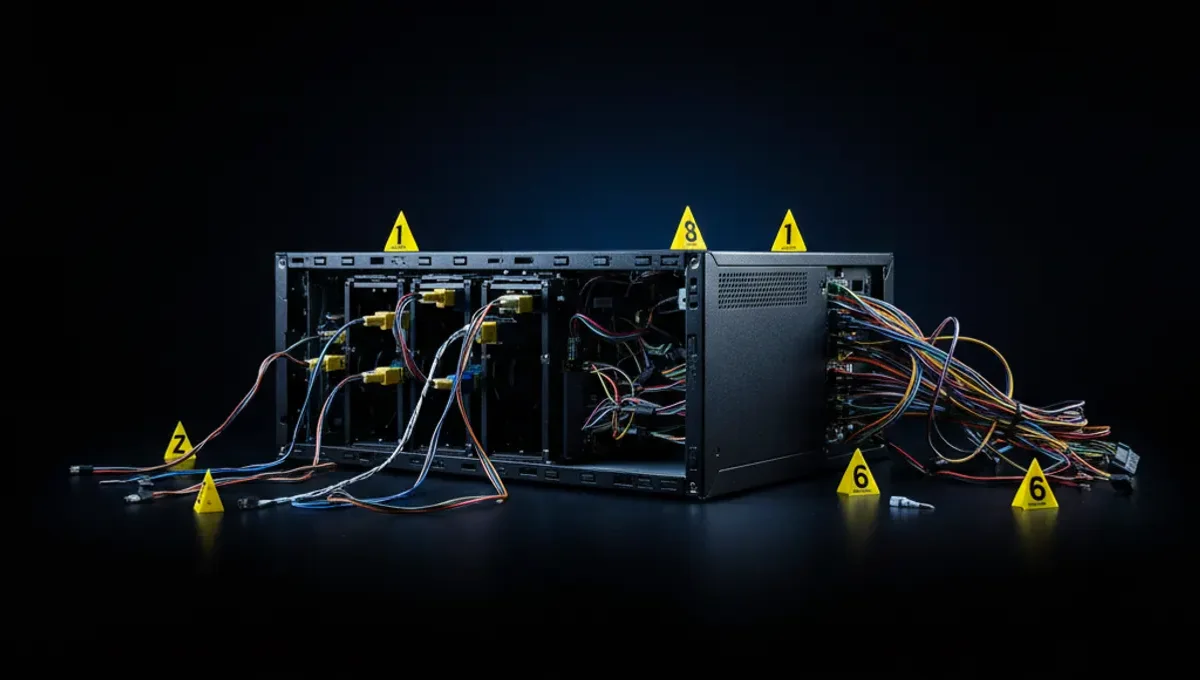
Wall Street Market was seized by law enforcement in 2019. German authorities, working with international partners, took control of the marketplace's infrastructure and arrested individuals associated with its operation. Court records and public law-enforcement press releases documented that the seizure resulted from a multi-year investigation into the platform's role in facilitating illegal transactions. Following the takedown, the marketplace went offline permanently. Users who had cryptocurrency held in escrow lost access to those funds. The seizure demonstrated that even large, well-organized darknet markets with sophisticated security measures remain vulnerable to determined law-enforcement investigations. The status of any marketplace changes over time; readers should verify current information through official sources rather than relying on outdated claims.
Phishing Clones and Fake Links
After Wall Street Market's seizure, scammers created fake mirrors and phishing clones using the marketplace's name and branding. These fake sites aimed to steal login credentials, cryptocurrency, or personal information from users searching for the original market. A common tactic involved creating lookalike onion addresses that differed by only one or two characters from the legitimate address. Users who mistyped or clicked a malicious link would land on a phishing site that appeared identical to the real marketplace. This threat persists across the darknet: whenever a popular market closes, opportunists launch clones to exploit users' muscle memory and search habits. Verifying an onion address through PGP-signed announcements from the platform's official channels is the only reliable way to confirm you are accessing the real site, not a clone.
Why Verification Matters: The Reality of Onion Addresses
Tor Project documentation emphasizes that onion addresses are not human-readable and are difficult to memorize or verify by sight alone. This design flaw creates a persistent security problem: users cannot easily distinguish a legitimate onion address from a convincing fake. Phishing attacks exploit this weakness by creating addresses that look similar enough to fool casual inspection. The only reliable verification method is to obtain the address from an official, PGP-signed announcement or a trusted directory that verifies addresses cryptographically. Bookmarking addresses is safer than searching for them repeatedly, but even bookmarks can be compromised if your device is infected with malware. For any darknet marketplace or forum, assume that multiple fake versions exist and that the burden of verification falls entirely on you.
Why Darknet Markets Get Seized
Law-enforcement agencies have developed sophisticated techniques for investigating darknet marketplaces. Court records from marketplace seizures reveal that investigators often identify operators through cryptocurrency transaction analysis, server infrastructure tracking, and undercover purchases. Darknet markets are not as anonymous as many users believe. Mistakes by operators, such as reusing usernames, linking accounts to email addresses, or failing to properly isolate server infrastructure, have repeatedly led to arrests. Additionally, the Tor network itself is not a guarantee of anonymity; it is a tool that provides anonymity only when used correctly and in combination with other security practices. Academic research on onion services has documented that even well-designed markets eventually leak identifying information through operational security failures, not through fundamental flaws in Tor itself.
What This Means for Your Security
The history of Wall Street Market and similar marketplaces teaches several practical lessons. First, any marketplace promising complete anonymity or guaranteed security is making a claim it cannot keep. Second, if you access any darknet site, assume that law enforcement is investigating it and that your activity could eventually be traced through blockchain analysis, malware, or operational security mistakes. Third, never assume a marketplace is legitimate based on its reputation or longevity; many large markets have been seized or have exit-scammed after years of operation. If you use Tor for legitimate privacy reasons, focus on verified security practices: keep your operating system and Tor browser updated, use a dedicated device or virtual machine if possible, and assume that any marketplace or forum could disappear or be compromised at any time. Verify addresses through official channels, never through search results or social media.
Common Questions
Is Wall Street Market still online
No. Wall Street Market was seized by German authorities in 2019 and remains offline. Any site claiming to be Wall Street Market today is a phishing clone or scam. Verify any marketplace address through official PGP-signed announcements, not through search results or social media.
What happened to Wall Street Market
Law enforcement seized the marketplace in 2019 following a multi-year investigation. Operators were arrested, and the platform's infrastructure was taken offline. Users lost access to any cryptocurrency held in escrow on the platform.
How do I know if a darknet link is real or a phishing clone
Obtain the address only from official, PGP-signed announcements published by the platform's operators. Do not rely on search results, Reddit posts, or bookmarks from other users. Verify the PGP signature using the platform's official public key. If you cannot find a PGP-signed announcement, assume the site may be compromised.
Why was Wall Street Market seized by law enforcement
Court records indicate that investigators identified the marketplace's operators through cryptocurrency analysis, server infrastructure tracking, and undercover purchases. The platform facilitated illegal transactions, making it a target for international law-enforcement cooperation.
Can I get my money back if I lost cryptocurrency on Wall Street Market
No. Once a marketplace is seized or exit-scams, users typically have no recourse to recover funds held in escrow. This is a fundamental risk of using unregulated darknet markets. Law enforcement does not return cryptocurrency to users; it is treated as proceeds of illegal activity.