What Were Dark Markets in Germany
Dark markets operating in or targeting German users were typically multi-vendor platforms hosted on the Tor network, accessible only through the Tor Browser. They functioned as escrow-based marketplaces where vendors listed goods, buyers placed orders, and the platform held payment in cryptocurrency until delivery was confirmed. Most operated under pseudonymous administration and accepted Monero or Bitcoin. Unlike surface web e-commerce, these platforms had no legal registration, no customer service phone lines, and no recourse through courts. Vendors ranged from individuals selling small quantities to organized criminal groups distributing bulk shipments. The platforms themselves generated revenue through listing fees, transaction commissions, and sometimes forced vendor bonds. German-language forums and communities often discussed market reliability, vendor reputation, and operational security practices.
Law Enforcement Operations and Market Seizures
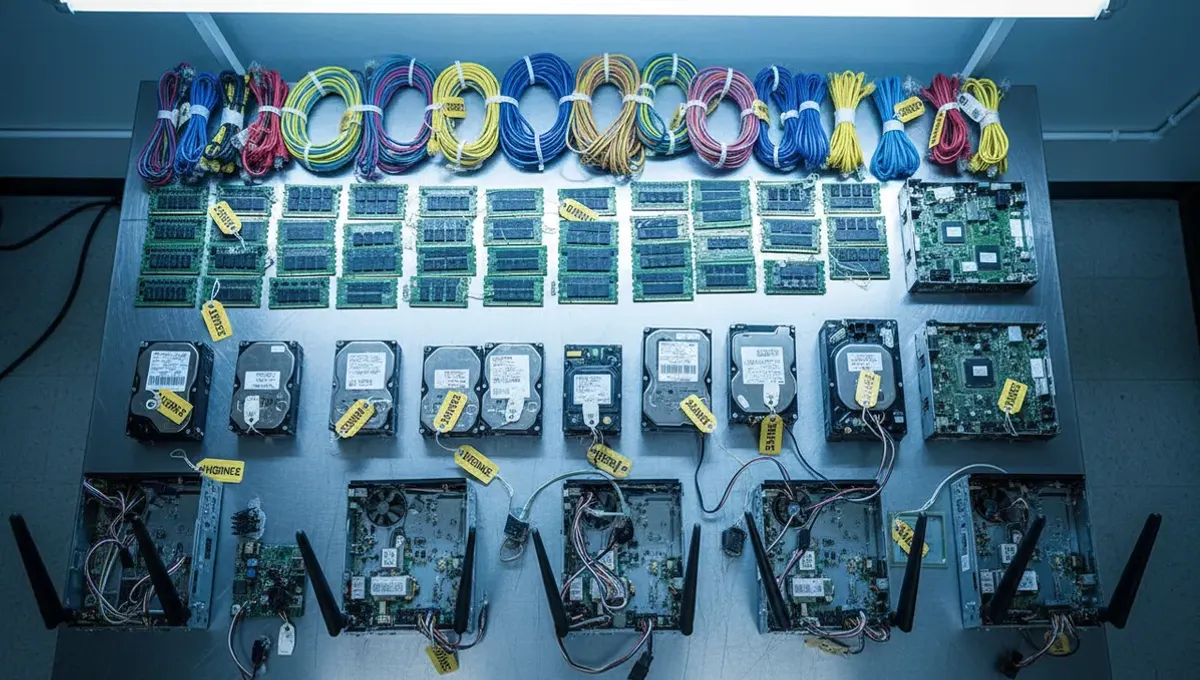
German federal police and prosecutors have conducted sustained operations against darknet infrastructure. Several major marketplaces with significant German user bases or German-based administrators have been shut down through coordinated international law-enforcement action. These operations typically involved identifying server locations, obtaining warrants, and arresting administrators or key operators. Court records and public press releases from the Bundeskriminalamt (Federal Criminal Police Office) document these actions. The seizures often revealed that markets claiming to be decentralized or unhackable were in fact vulnerable to standard law-enforcement techniques: server compromise, payment-flow analysis, and operator identification through operational security mistakes. Each closure created a temporary vacuum, after which users migrated to newer platforms or markets based in other jurisdictions. This cycle has repeated multiple times over the past decade, demonstrating that no market is permanent and that law enforcement has the technical capability to identify and prosecute operators.
How These Markets Attracted German Users
Germany's large, technically sophisticated population and high internet penetration made it an attractive market for darknet platforms. German-language vendor communities formed around specific product categories, and reputation systems evolved to reflect local trust networks. Some markets offered German-language interfaces and customer support, lowering the barrier to entry for non-technical users. The relative wealth of German consumers and the efficiency of postal systems made the country a lucrative target for vendors shipping physical goods. Additionally, Germany's strict pharmaceutical regulations created demand for prescription medications and research chemicals available through these channels. Forums and subreddits in German discussed market safety, vendor vetting, and operational security. This localization, while convenient for users, also made the ecosystem more visible to law enforcement, which could monitor German-language discussions and identify patterns of activity.
Reality Layer: How These Markets Actually Failed
Three key insights shape understanding of dark market operations in Germany and elsewhere. First, according to Tor Project documentation and academic research on onion services, markets claiming to be unhackable or decentralized are typically centralized platforms with single points of failure, usually the server hosting the marketplace code and database. This matters because it means law enforcement does not need to break Tor or compromise user anonymity; they only need to identify and seize the server. Second, public law-enforcement press releases and court records show that market administrators consistently made operational security mistakes: reusing email addresses, logging into clearnet accounts from the same IP as the market server, or failing to properly isolate cryptocurrency wallets. This matters because it demonstrates that technical sophistication in running a market does not translate to personal operational security. Third, security-vendor incident reports and darknet monitoring services document that most market closures are followed by exit scams or administrator theft, not just law-enforcement seizures. Users who believe they are using a market that is about to be raided often lose their funds to the administrators themselves, who disappear with escrow balances. This matters because it shows that even if a market avoids law enforcement, the business model itself creates incentives for theft.
Phishing Clones and Verification Challenges
After a major market closure, scammers quickly register lookalike .onion addresses and clone the original market's interface. Users who remember a market name but not the exact address are vulnerable to landing on a phishing clone, where they deposit cryptocurrency that is immediately stolen. This has happened repeatedly with German-focused or German-language markets. Verification of a legitimate address requires checking PGP-signed announcements from the market's official communication channels, typically a subreddit or a forum thread with a cryptographic signature. Many users skip this step, assuming that a familiar interface and a plausible URL are sufficient proof of legitimacy. The problem is compounded when the original market is offline; users cannot distinguish between a temporary outage and a permanent closure, making them more likely to try an alternative address without verifying it. Safer practice involves bookmarking only PGP-signed official announcements and never relying on search results or third-party links to access a market.
Comparing Dark Markets Across Regions
Dark markets operating in different jurisdictions have faced varying levels of law-enforcement pressure. Markets with administrators in dark markets Albania or dark markets Andorra may have faced different legal frameworks and enforcement capabilities than those in Germany. Similarly, dark markets Argentina and dark markets Australia operated in regions with distinct cybercrime laws and international cooperation agreements. Dark markets Austria, being within the European Union like Germany, faced coordinated law-enforcement action through Europol and mutual legal assistance treaties. The key difference is not the market's technical design but the jurisdiction and extradition treaties of the administrators' location. Markets hosted in countries with weak cybercrime laws or limited international cooperation may persist longer, but they are not safer; they are simply less likely to face immediate law-enforcement action. Users in any jurisdiction face the same risks: exit scams, phishing clones, law-enforcement seizure, and personal operational security failures.
Why This History Matters for Your Security
Understanding how dark markets in Germany operated and failed teaches several practical lessons. First, no market is permanent, and treating any platform as a long-term solution is unrealistic. Second, the technical sophistication of a market's interface or its reputation in forums does not predict its longevity or safety. Third, law enforcement has demonstrated consistent capability to identify, seize, and prosecute market operators, even those using Tor and cryptocurrency. Fourth, the biggest risk to users is often not law enforcement but the market operators themselves, who control all funds and can disappear at any time. If you are researching darknet markets for security awareness or academic purposes, focus on understanding how these platforms fail rather than how to use them. Verify any information through official Tor Project documentation, court records, and law-enforcement press releases. Avoid testing theories by depositing funds into active markets; the financial and legal risks are real and immediate.
Common Questions
What happened to dark markets in Germany
Most major dark markets operating in or targeting German users have been seized by federal law enforcement or closed by their administrators. The Bundeskriminalamt and international partners have conducted coordinated operations resulting in server seizures, arrests, and prosecutions. Some markets were shut down through technical compromise; others were abandoned by administrators before law enforcement acted. The last documented status of any specific market changes, so verification through current law-enforcement announcements and official Tor Project resources is necessary.
How did German dark markets get shut down
Law enforcement identified market servers through standard investigative techniques: payment-flow analysis, operator identification through operational security mistakes, and international cooperation agreements. Once a server location was identified, authorities obtained warrants and seized the hardware. Administrators often made mistakes such as reusing email addresses, logging in from personal IP addresses, or failing to properly isolate cryptocurrency wallets. These failures, not any weakness in Tor itself, enabled law enforcement to identify and prosecute operators.
Are there active dark markets in Germany now
The status of any specific marketplace changes frequently due to law-enforcement action, exit scams, and technical failures. Rather than relying on outdated information, check the Useful Resources page of this site and PGP-signed official announcements from the Tor Project and law-enforcement agencies. Any market claiming to be permanently safe or unhackable should be treated with extreme skepticism, as these claims have preceded every major seizure.
How do I avoid phishing clones of dark markets
Verify any market address only through PGP-signed official announcements, typically posted on official subreddits or forums with a cryptographic signature from the market's known key. Never rely on search results, third-party links, or familiar interfaces. Bookmark only the official announcement channel, not the market address itself. If a market is offline, do not assume a similar-looking address is legitimate; wait for an official signed announcement before accessing any alternative.
What is the biggest risk when using dark markets
The biggest risk is not law enforcement but the market operators themselves, who control all funds and can disappear at any time. Exit scams, where administrators steal escrow balances and user deposits, are common. Even if a market avoids law-enforcement seizure, users can lose all funds to the operators. This risk is inherent to the business model and cannot be mitigated by choosing a different market or using better operational security.