What Were Dark Markets in Finland
Dark markets operating in or targeting Finland ranged from general-purpose illegal marketplaces to forums and specialized communities. These platforms used Tor and similar anonymization tools to hide their infrastructure and user identities. Finnish participants included both buyers and vendors, with some markets explicitly catering to Nordic users through local language support and regional payment methods. The markets typically offered the same categories as their international counterparts: controlled substances, forged documents, stolen data, and hacking services. Finnish authorities documented significant activity on platforms that also served users in dark markets Albania, dark markets Austria, and other European countries, suggesting a connected regional ecosystem.
How Finnish Darknet Markets Operated
These markets functioned as escrow-based platforms where buyers and sellers never met in person. A user would create an account using a pseudonym, deposit cryptocurrency (usually Bitcoin or Monero), browse listings, and complete transactions through the marketplace's built-in messaging and payment system. Vendors maintained reputation scores based on customer feedback, similar to legitimate e-commerce sites. The marketplace took a percentage commission on each sale. Finnish vendors often shipped physical goods domestically or across borders, while digital goods like stolen credentials or malware were delivered instantly. Law enforcement agencies tracked these transactions by analyzing blockchain data, monitoring Tor exit nodes, and cooperating with international partners investigating similar markets in dark markets Andorra, dark markets Argentina, and other jurisdictions.
Why Finland Became a Focus for Law Enforcement
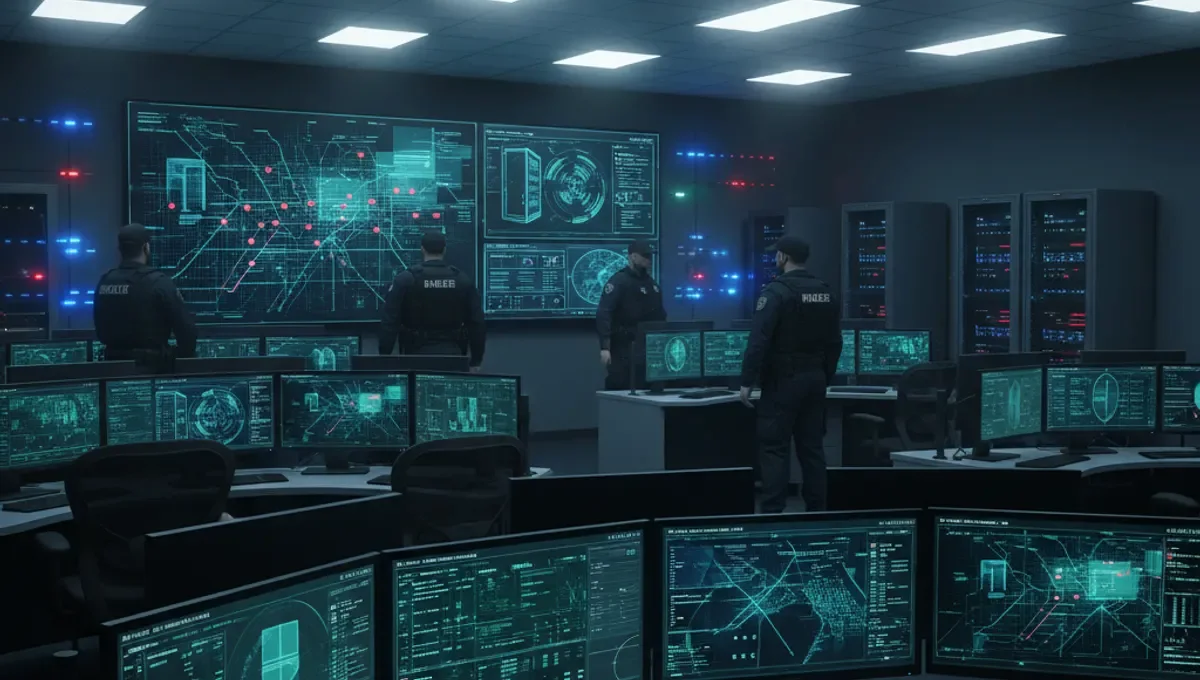
Finland's developed infrastructure, high internet penetration, and tech-savvy population made it both an attractive market for illegal goods and a jurisdiction where law enforcement could effectively investigate cybercrime. Finnish police and the National Bureau of Investigation coordinated with Europol and other agencies to identify vendors and buyers. Several high-profile arrests and prosecutions demonstrated that even users who believed themselves anonymous on the dark web could be identified through transaction analysis, metadata correlation, and traditional detective work. The Finnish government also prioritized cybercrime enforcement as part of broader Nordic security cooperation. Investigations into Finnish darknet activity often uncovered connections to organized crime groups and international drug trafficking networks, elevating the priority of these cases.
Reality Layer: How Darknet Investigations Actually Work
According to Tor Project documentation and public law-enforcement press releases, anonymity on the dark web is not absolute. Investigators use multiple techniques: blockchain analysis to trace cryptocurrency transactions, correlation of user behavior patterns across forums and markets, metadata from network traffic, and cooperation with internet service providers and hosting providers. When a market is seized, law enforcement often preserves server logs containing user registration data, transaction history, and IP addresses logged during account creation or password resets. Court records from prosecutions in Finland and other Nordic countries show that many defendants believed they were completely anonymous but were identified through a combination of technical analysis and traditional police work. This matters to you because it demonstrates that participation in darknet markets carries real legal risk regardless of technical precautions, and that international cooperation makes borders less protective than users assume.
Comparison with Other Nordic and European Markets
Dark markets operating in Finland shared characteristics with those in dark markets Australia, dark markets Andorra, and other regions, but with local variations. Nordic markets often emphasized cryptocurrency expertise and technical sophistication among users, reflecting the region's tech culture. Payment methods differed: some markets accepted bank transfers through money mules, while others required only cryptocurrency. Vendor communities in Finland sometimes overlapped with those in dark markets Austria and dark markets Albania, suggesting shared supply chains and informal networks. Law enforcement cooperation within the European Union and through Interpol meant that investigations in one country often led to arrests in another. The relative prosperity of Nordic countries also meant that prices for illegal goods were often higher than in less developed regions, and the customer base had more disposable income.
Why Clones and Phishing Exploited Market Names
When a major Finnish darknet market gained reputation, scammers created fake versions with nearly identical names and interfaces. A user searching for a market on a forum or through a search engine might accidentally visit a phishing clone, deposit cryptocurrency, and lose their funds immediately. These clones typically featured slightly different URLs, poor grammar in descriptions, or subtle visual differences that rushed users missed. The scammers relied on the fact that users could not verify the authenticity of an onion address through traditional domain registration or SSL certificates. To verify a real market address, users had to find PGP-signed announcements from the market operators on trusted forums or the market's official social media accounts. Many users never took this step and fell victim to theft. This pattern affected markets across dark markets Argentina, dark markets Australia, and other regions equally.
What Changed After Law Enforcement Actions
When Finnish authorities and international partners shut down major darknet markets, the ecosystem did not disappear but fragmented and relocated. Some vendors moved to other platforms, some to markets in jurisdictions with weaker law enforcement, and some retired from the business. Users learned to be more cautious about which markets they trusted, though many simply moved to the next popular platform. The publicity surrounding arrests and convictions created a deterrent effect for some potential participants, particularly in smaller communities where anonymity was less reliable. However, new markets continued to emerge, often with improved operational security and decentralized structures designed to resist seizure. The overall lesson was that individual market shutdowns are temporary disruptions in a persistent ecosystem, not permanent solutions to darknet commerce.
Protecting Yourself from Darknet Risks
If you are researching the dark web for legitimate reasons, understand that accessing darknet markets carries legal and security risks even if you do not intend to buy anything. Law enforcement monitors market activity, and your presence on a seized platform can be documented. If you use Tor Browser, keep it updated and do not maximize your browser window, as this can reveal your screen resolution and reduce anonymity. Do not enable plugins or extensions that might leak your real IP address. Use a dedicated device or virtual machine if possible. Never assume that cryptocurrency transactions are untraceable; blockchain analysis is a mature field and law enforcement agencies have sophisticated tools. If you receive messages from people claiming to represent darknet markets, verify their identity through PGP signatures and official channels before sharing any information. The safest approach is to avoid these platforms entirely and rely on publicly available information and academic research to understand how they work.
Common Questions
Are there still active dark markets in Finland?
The status of specific markets changes constantly as platforms are seized, exit scam, or relocate. Rather than naming active markets, which would be outdated quickly, check the Useful Resources page of this site for links to current security research and law-enforcement announcements. Finnish authorities continue to investigate darknet activity, so any market operating in or targeting Finland faces ongoing risk.
How did Finnish law enforcement identify darknet users?
Investigators used blockchain analysis to trace cryptocurrency transactions, correlated user behavior across forums, analyzed metadata from network traffic, and cooperated with internet service providers. When markets were seized, server logs often contained IP addresses from account creation or password resets. Court records show that many defendants were surprised to learn they had been identified despite using Tor and pseudonyms.
What is the difference between dark markets in Finland and other European countries?
Finnish markets often reflected the region's tech sophistication and higher prices due to economic prosperity. They sometimes shared vendors and supply chains with markets in Austria, Albania, and other regions. Law enforcement cooperation within the EU meant investigations in one country frequently led to arrests in another, making borders less protective than users assumed.
How can I verify if a darknet market address is real?
Look for PGP-signed announcements from the market operators on trusted forums or their official social media accounts. Compare the onion address character-by-character with the signed announcement. Scammers create phishing clones with slightly different URLs, so careful verification is essential. If you cannot find a signed announcement, assume the address is fake.
What happens if I accidentally access a darknet market?
Simply visiting a market does not automatically put you at legal risk, though law enforcement may have records of your presence if the market is later seized. Do not deposit funds or create an account. Close Tor Browser and do not return. If you are concerned about your activity, consult a lawyer in your jurisdiction rather than seeking advice online.