What a Bitcoin Drugs Market Actually Was
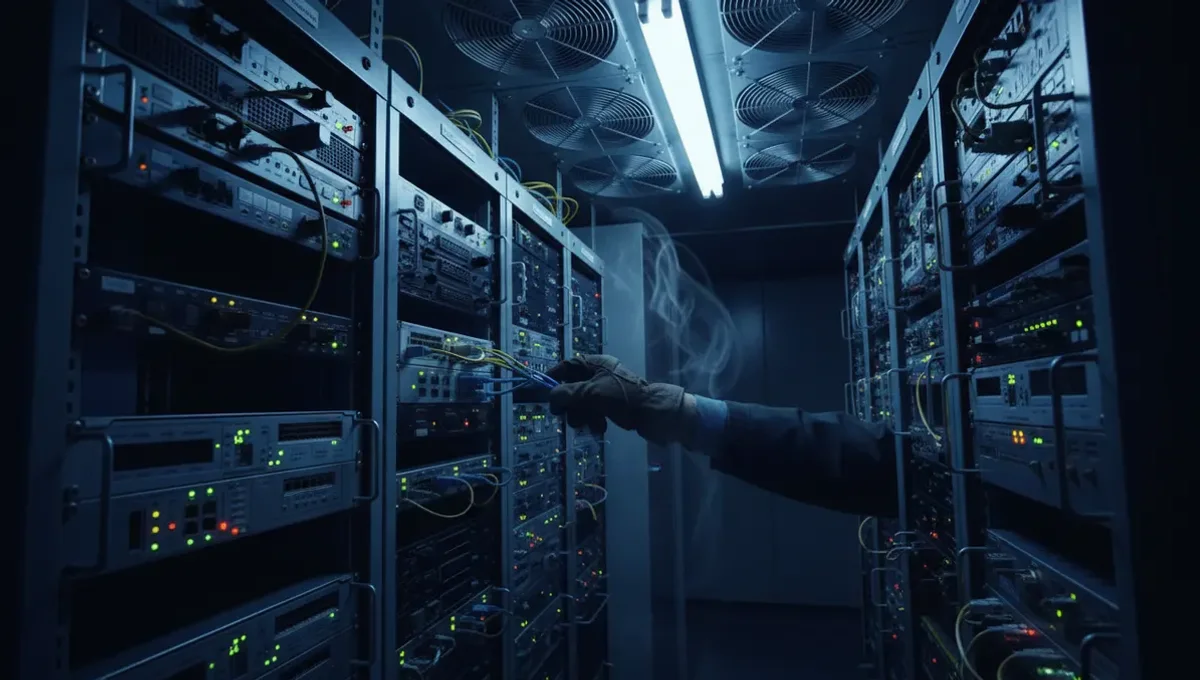
A bitcoin drugs market on the darknet was a website accessible only through the Tor browser, structured like an e-commerce platform with vendor profiles, product listings, escrow systems and user reviews. Transactions were conducted in Bitcoin or other cryptocurrencies, which users believed offered anonymity but often did not. The market operator took a percentage of each sale, vendors maintained reputation scores, and buyers could leave feedback. These sites mimicked legitimate marketplaces in design but operated without legal oversight, hosting listings for black market illegal drugs, stolen data, weapons and other contraband. The appeal lay partly in perceived anonymity and partly in the illusion of buyer protection through escrow and dispute resolution, features absent from street-level transactions.
How Bitcoin Transactions Were Used and Why They Failed
Bitcoin was chosen because it is pseudonymous, not anonymous. A transaction is recorded on a public ledger (the blockchain) forever, linked to wallet addresses that can be traced through transaction analysis and exchange records. Law enforcement and blockchain analysis firms developed tools to follow Bitcoin flows from darknet markets to exchanges where users cashed out, revealing real identities. Many market operators and vendors believed Bitcoin provided cover; it did not. Users who mixed coins or used privacy coins like Monero faced higher fees and smaller vendor pools. The core problem was that Bitcoin's transparency, combined with metadata from IP addresses, payment timing and vendor behavior, allowed investigators to build cases without needing to crack encryption or infiltrate the market itself.
Market Structure and Vendor Economics
Darknet drug markets operated on a commission model. The site operator charged vendors a fee to list products and took a percentage of each transaction, typically 2-8 percent. Vendors competed on price, speed of delivery and reputation. Buyers paid into escrow held by the market; once the buyer confirmed receipt, the market released funds to the vendor minus the commission. This system reduced some fraud compared to unmediated transactions, but it also created a single point of failure. When a market was seized or exit-scammed, all escrow funds were lost. Vendors had no recourse and buyers lost their money. The black market prices for drugs on these sites were often lower than street prices in some regions but higher in others, depending on supply, risk and local enforcement. The economics incentivized volume and repeat business, not quality or safety.
Why These Markets Attracted Users and Vendors
Users were drawn to darknet drug markets for several reasons. Some sought substances unavailable locally or wanted to avoid the violence and unpredictability of street dealers. Others were curious or wanted to test anonymity. Vendors saw an opportunity to reach a wider customer base without the overhead of street-level distribution. The escrow system and review mechanism reduced the friction of trust between strangers. However, the perceived safety was largely illusory. Packages were intercepted by postal services and law enforcement. Vendors were arrested after their identities were revealed through blockchain analysis or operational security failures. Buyers received counterfeit or contaminated products with no legal recourse. The black market illegal drugs sold on these platforms were not tested for purity or safety, leading to overdoses and poisonings. The anonymity that attracted users also attracted scammers and undercover agents.
Law Enforcement Response and Market Seizures
Law enforcement agencies worldwide developed specialized units to investigate darknet markets. The U.S. Department of Justice, the FBI, Europol and national police forces coordinated operations that resulted in the seizure of major markets, the arrest of operators and vendors, and the recovery of cryptocurrency. Court records from these cases show that investigators used blockchain analysis, undercover purchases, IP address logs from Tor exit nodes, and traditional detective work to build cases. Markets were not taken down by hacking or infiltration alone; they were dismantled through patient investigation and prosecution. Some operators attempted to evade capture by moving to new servers or rebranding, but the fundamental problem remained: running a market required infrastructure that could be identified, and accepting Bitcoin created a permanent record. The closure of one market typically led to the emergence of others, but each generation faced the same vulnerabilities.
Reality Check: What Actually Happened to Users and Vendors
Court records and law-enforcement press releases document the outcomes. Vendors who operated for months or years were arrested after their identities were revealed through blockchain analysis combined with traditional investigative techniques. Buyers who thought they were anonymous discovered that their purchase history, delivery address and financial records could be reconstructed. Packages were seized by customs and postal services, resulting in criminal charges. Some users lost money to exit scams when market operators shut down and disappeared with escrow funds. Others received contaminated or counterfeit products and had no recourse. The Tor Project documentation on onion services emphasizes that Tor protects against network-level surveillance but does not protect against operational security failures, social engineering or the permanent record created by cryptocurrency transactions. This matters because many users and vendors operated under a false assumption of complete anonymity, leading to careless behavior that made them vulnerable to identification.
Why Bitcoin Drugs Markets Ultimately Failed as a Model
Bitcoin drugs markets failed because they required a centralized operator, they created a permanent transaction record, and they attracted law enforcement attention that was sustained and effective. The escrow model, while reducing some fraud, also created a honeypot: all the money and data were in one place. Operators who tried to stay anonymous still had to manage servers, process disputes and cash out cryptocurrency, each step creating a vulnerability. Users and vendors who believed Bitcoin was anonymous made operational security mistakes because they felt safe. The markets that survived longest were those that implemented additional security measures, used privacy coins, or operated with lower volumes, but none achieved the scale or longevity of early centralized markets. The lesson for security researchers and law enforcement is that pseudonymous systems create a false sense of security that often leads to worse outcomes than transparent systems where users know they are exposed and act accordingly.
What Ordinary Users Should Understand
If you are researching darknet markets for security awareness or academic purposes, the key takeaway is that Bitcoin and other transparent cryptocurrencies do not provide anonymity for illegal transactions. Blockchain analysis is now a mature field with commercial tools available to law enforcement. Tor protects your connection but not your identity if you make operational security mistakes or use identifying information. The vendors and buyers who were arrested were not caught through technical exploits of Tor; they were caught through investigation of their transactions, their behavior and their mistakes. If you are concerned about your own privacy online, focus on legitimate tools: use Tor for browsing, use a VPN from a reputable provider, use encrypted messaging, and assume that any transaction you make can be traced if someone has sufficient motivation and legal authority. Do not assume that any platform or cryptocurrency offers complete anonymity, and do not use tools in ways that contradict their actual capabilities.
Common Questions
How did bitcoin drugs markets actually work
These markets operated as Tor-based websites with vendor profiles, product listings and escrow systems. Buyers and sellers used Bitcoin to transact, with the market operator taking a commission. The escrow held funds until the buyer confirmed receipt, then released payment to the vendor. However, Bitcoin transactions are traceable through blockchain analysis, and many operators and users were eventually identified and arrested.
Why did law enforcement shut down bitcoin drug markets
Law enforcement used blockchain analysis to trace Bitcoin transactions, combined with traditional investigation techniques like IP address tracking and undercover purchases. Markets required centralized infrastructure that could be identified and seized. Court records show that operators were arrested after their identities were revealed through financial investigation, not through hacking Tor itself.
Is bitcoin anonymous for darknet transactions
No. Bitcoin is pseudonymous, not anonymous. Every transaction is recorded on a public blockchain and can be traced through analysis tools. When users cash out to exchanges or make other transactions that link their wallet to their identity, investigators can reconstruct their entire transaction history. Privacy coins like Monero offer better anonymity but were less widely accepted on these markets.
What happened to vendors and buyers on these markets
Many were arrested after law enforcement traced their Bitcoin transactions and identified them. Buyers lost money to exit scams or received counterfeit products. Packages were intercepted by postal services. Court records document prosecutions of market operators, vendors and users based on evidence gathered through blockchain analysis and traditional detective work.
Can Tor protect you on a darknet market
Tor protects your connection from network-level surveillance but does not protect against operational security failures or the permanent record created by cryptocurrency transactions. If you use identifying information, make mistakes, or use tools in ways that contradict their actual capabilities, you can be identified. Tor is a tool for privacy, not a guarantee of anonymity for illegal activity.