What Was AlphaBay Market
AlphaBay was a darknet marketplace that operated on the Tor network, accessible only through .onion addresses. It functioned as a platform where vendors could list goods and services, and buyers could browse listings using cryptocurrency. The market launched around 2014 and grew to become one of the largest darknet markets by transaction volume, rivaling the original Silk Road in scope. Users accessed AlphaBay through Tor Browser, which anonymized their connection to the marketplace servers. The platform used escrow systems to hold funds during transactions, theoretically protecting both buyer and vendor until a deal completed. Like other darknet markets, AlphaBay attracted users seeking to trade items that were illegal or restricted in their jurisdictions.
How AlphaBay Operated as a Darknet Market
The AlphaBay market structure mirrored legitimate e-commerce platforms but operated entirely on the darknet. Vendors created accounts, uploaded product listings with descriptions and prices, and set their own terms. Buyers browsed the catalog, placed orders, and communicated with vendors through encrypted messages built into the platform. The marketplace took a commission on each transaction, typically a percentage of the sale price. AlphaBay's administrators moderated disputes between buyers and vendors, though their incentive was to maximize transaction volume rather than ensure legitimacy. The platform accepted Monero and Bitcoin, with Monero offering stronger privacy properties. Vendors built reputation scores based on transaction history, similar to mainstream marketplaces, which created a false sense of trustworthiness. However, this system also enabled repeat offenders to build credibility before disappearing with customer funds.
The AlphaBay Darknet Market URL Problem
Finding an active AlphaBay market URL is impossible because the marketplace no longer exists. When the original AlphaBay was seized, users searching for the AlphaBay link encountered a critical problem: phishing clones and fake mirrors appeared almost immediately. Scammers created lookalike sites claiming to be AlphaBay, using similar branding and interface design to steal login credentials and cryptocurrency. These fake AlphaBay market darknet sites exploited users' familiarity with the original platform and their desire to regain access. The proliferation of phishing clones demonstrates a core risk in darknet markets: when a major platform closes, the ecosystem does not disappear but fragments into unverified alternatives. Users who found what they thought was an AlphaBay market link often lost money to these fraudulent replacements. This pattern repeats across the darknet whenever a major marketplace is seized.
Why Law Enforcement Shut Down AlphaBay
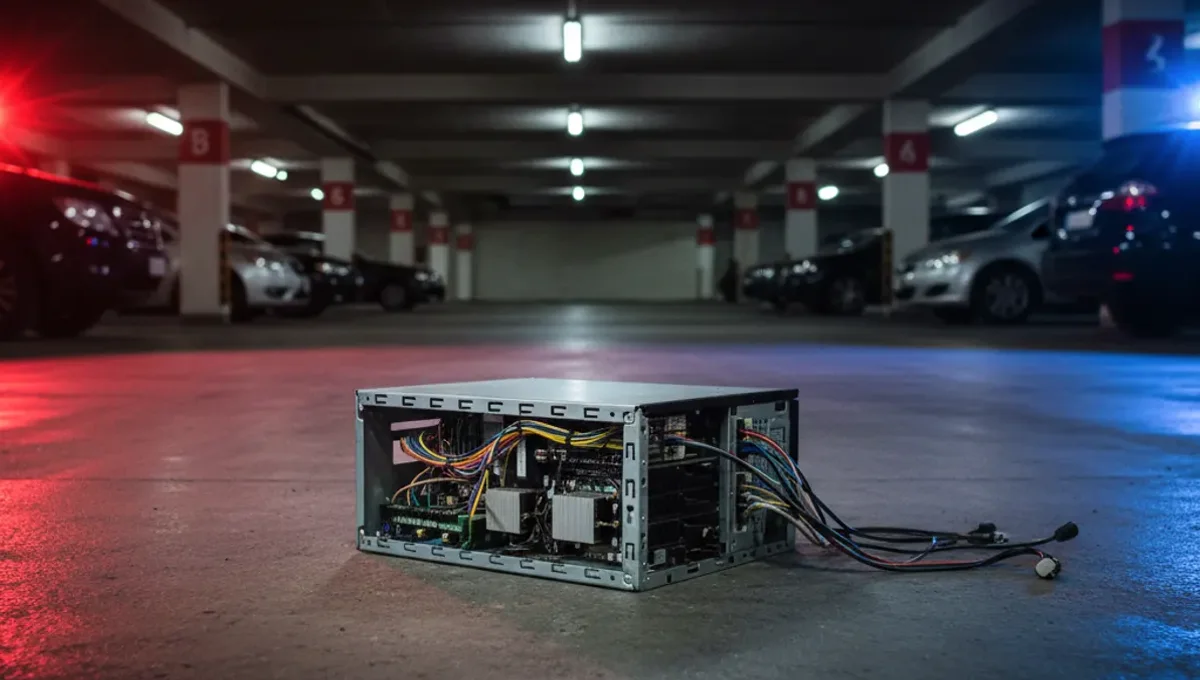
AlphaBay was seized on July 4, 2017, in a coordinated operation involving law-enforcement agencies from multiple countries, including the United States, Thailand, Canada, and the Netherlands. The investigation, led by the FBI and DEA, took years to build a case against the marketplace's operators and administrators. Court records and public law-enforcement press releases indicate that AlphaBay facilitated the sale of drugs, weapons, stolen data, and counterfeit goods on a massive scale. The platform processed hundreds of millions of dollars in transactions annually. Authorities identified the marketplace's server infrastructure, traced cryptocurrency transactions, and eventually arrested key figures associated with the operation. The seizure included taking control of the AlphaBay servers, which allowed law enforcement to preserve evidence and identify users. This operation demonstrated that even large, well-organized darknet markets could be dismantled through persistent investigation and international cooperation.
Reality Check: How Darknet Markets Actually Fail
According to Tor Project documentation and security-vendor incident reports, darknet markets fail through three main mechanisms: law-enforcement seizure, exit scams by operators, and technical compromise. AlphaBay's closure represents the law-enforcement pathway, which matters because it shows that anonymity on the Tor network is not absolute when investigators have time and resources. Court records from the AlphaBay case reveal that operators made operational security mistakes, such as reusing usernames across platforms and failing to isolate their personal devices from marketplace infrastructure. Academic research on onion services shows that marketplace administrators often underestimate the persistence of law enforcement and overestimate the protection Tor provides against targeted investigation. The AlphaBay seizure also demonstrated that cryptocurrency transactions, while pseudonymous, leave traces that forensic analysts can follow. For ordinary users, this means that participation in darknet markets carries real legal risk regardless of the platform's reputation or security features.
What Happened After AlphaBay Closed
After the AlphaBay market link became inactive in 2017, users migrated to other darknet marketplaces. Some moved to existing platforms like Hansa Market, which was also seized weeks later in the same operation. Others sought out newer or smaller markets that had not yet attracted law-enforcement attention. The darknet marketplace ecosystem did not collapse but instead fragmented and reorganized. Vendors and buyers adapted by using multiple platforms simultaneously, reducing their reliance on any single marketplace. The AlphaBay shutdown also accelerated the adoption of decentralized marketplace models, where no single point of failure could bring down the entire operation. However, decentralized alternatives introduced new risks, including reduced dispute resolution and increased exposure to scams. The lesson from AlphaBay's closure is that darknet markets are not permanent infrastructure but temporary platforms vulnerable to disruption.
Verifying Darknet Addresses and Avoiding Phishing Clones
If you encounter a link claiming to be an AlphaBay market URL or any other darknet marketplace, verify it carefully before trusting it. The safest approach is to check the official announcement channels for any marketplace you use, typically a PGP-signed post on a forum or a verified social media account. Phishing clones of popular darknet markets are common because they exploit users' muscle memory and brand recognition. Look for inconsistencies in the interface, spelling errors, or unusual requests for information. Never enter credentials or cryptocurrency into a site you found through a search engine or an untrusted link. Use the Useful Resources page of this site to find verified information about active marketplaces and how to confirm their authenticity. If a marketplace you used is suddenly offline, assume it has been seized or has exit-scammed until you see a verified announcement from the operators.
Why Understanding AlphaBay Matters Today
Studying the AlphaBay market link and its history teaches concrete lessons about darknet security, law enforcement capability, and the fragility of anonymous online platforms. The marketplace's rise and fall show that scale and reputation do not guarantee safety on the darknet. Users who lost money to AlphaBay's seizure or to phishing clones afterward learned that anonymity is not the same as immunity. For security professionals and researchers, AlphaBay's case provides evidence about how investigators trace darknet activity and how operational security failures lead to exposure. For ordinary internet users, the story illustrates why unregulated marketplaces carry inherent risks that no amount of encryption or anonymity technology can eliminate. The most practical takeaway is this: if you are curious about how darknet markets work, read about their history and failures rather than participating in them. The AlphaBay market link no longer exists, and that is by design.
Common Questions
Is AlphaBay market still online
No. AlphaBay was seized by law enforcement on July 4, 2017, in a coordinated international operation. Any site claiming to be AlphaBay today is a phishing clone or scam. The original marketplace no longer exists, and there is no active AlphaBay market link.
What happened to AlphaBay market
The FBI, DEA, and law-enforcement agencies from multiple countries shut down AlphaBay after a multi-year investigation. The operation seized the marketplace's servers, froze its infrastructure, and led to arrests of key operators. Court records show the marketplace facilitated hundreds of millions of dollars in illegal transactions annually.
How do I know if an AlphaBay link is real
You cannot find a real AlphaBay link because the marketplace does not exist. Any link claiming to be AlphaBay is fraudulent. If you encounter one, do not enter any credentials or send cryptocurrency. Check verified announcement channels and the Useful Resources page of this site for information about active marketplaces.
Why did AlphaBay market get shut down
AlphaBay was shut down because it facilitated the sale of illegal drugs, weapons, stolen data, and counterfeit goods on a massive scale. Law enforcement traced the marketplace's infrastructure, followed cryptocurrency transactions, and identified operators through operational security mistakes. The seizure demonstrated that darknet markets are vulnerable to persistent investigation.
What is the difference between AlphaBay market and other darknet markets
AlphaBay was one of the largest darknet marketplaces by transaction volume, but it operated using the same basic model as other platforms: vendor listings, escrow systems, and cryptocurrency payments. The main difference was its scale and reputation, which also made it a higher-priority target for law enforcement.