What AlphaBay Was and Its Scale
AlphaBay operated as a Tor-based marketplace accessible only through the Tor browser, functioning similarly to a conventional e-commerce platform but for illegal goods. The market hosted thousands of vendors and served hundreds of thousands of users across multiple countries. It offered a wide range of products including drugs, stolen data, counterfeit documents, and hacking tools, alongside a forum where users could discuss transactions and disputes. The platform used escrow systems and vendor ratings to build trust among participants, mirroring legitimate marketplace mechanics. By 2017, AlphaBay had become so large that its closure created a temporary vacuum in the darknet market ecosystem, with users and vendors scrambling to migrate to competing platforms like Aero Market and other darknet markets that filled the gap.
How AlphaBay Operated Technically
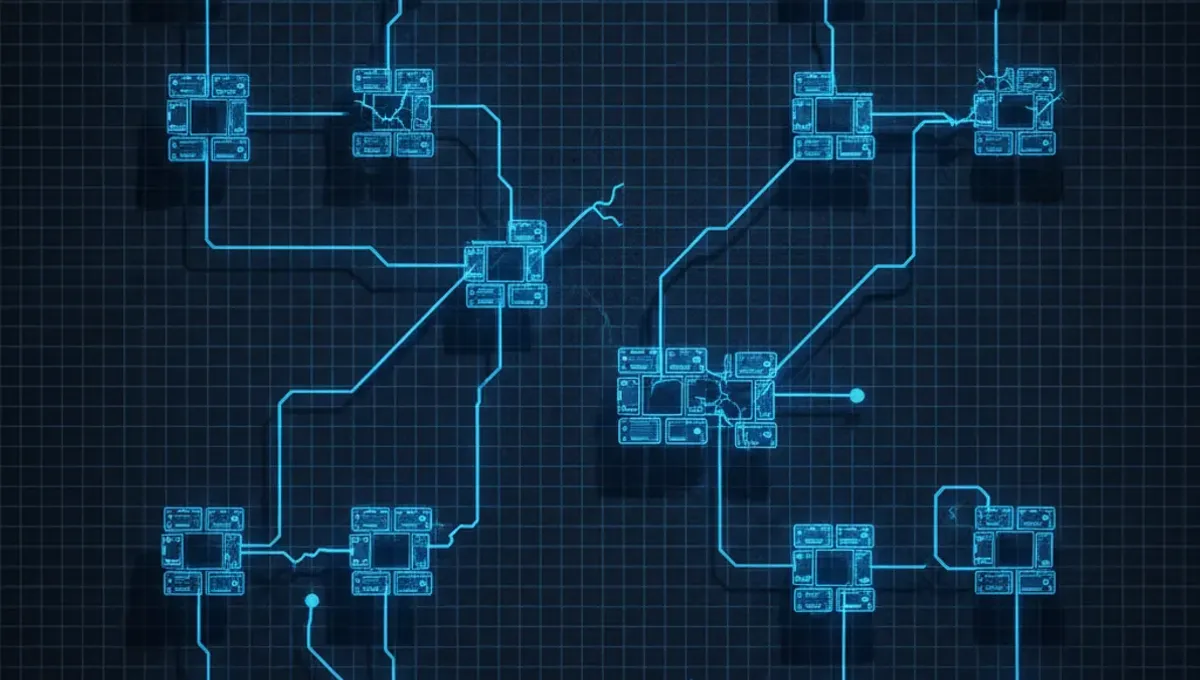
AlphaBay used standard darknet infrastructure: Tor hidden services to mask server location, cryptocurrency (primarily Bitcoin) for transactions, and PGP encryption for vendor-buyer communication. The platform employed an escrow system where funds were held by the marketplace until a buyer confirmed receipt of goods, reducing the risk of vendor fraud. Vendors paid fees to list products and maintain storefronts, generating revenue for the site operators. The market used a reputation system where buyers and sellers rated each other, creating incentives for reliable conduct. However, the platform's centralized architecture meant that all transactions and user data passed through servers controlled by the operators, creating a single point of failure. This centralization, combined with operational security lapses by administrators, ultimately made the platform vulnerable to law enforcement infiltration and seizure.
The 2017 Seizure and Investigation
In July 2017, the U.S. Department of Justice and law enforcement agencies from multiple countries coordinated a takedown of AlphaBay. The investigation involved identifying the server infrastructure, tracing cryptocurrency transactions, and eventually locating and arresting the market's alleged operator. Court records and public law-enforcement press releases documented that investigators used a combination of traditional detective work, cryptocurrency analysis, and undercover operations to build their case. The seizure resulted in the arrest of the market's administrator and the permanent closure of the platform. Following the takedown, law enforcement also seized Hansa Market, another major darknet marketplace, in a coordinated operation. The seizure demonstrated that even large, well-established darknet markets with sophisticated security measures could be compromised through persistent investigation and operational security mistakes by their operators.
Why Users Trusted AlphaBay Despite Risks
AlphaBay built user trust through several mechanisms that were common across darknet markets in that era. The escrow system protected buyers from losing money to vendor scams, and the public rating system created accountability. Vendors who maintained good reputations could charge premium prices, incentivizing reliable service. The platform's longevity, having operated for years without seizure, gave users false confidence in its permanence. Forums and discussion communities on Reddit and other platforms allowed users to share experiences and vet vendors before making purchases. The market also benefited from network effects: as more vendors and buyers joined, the platform became more valuable to everyone, creating a self-reinforcing cycle. However, this trust was misplaced. The centralized nature of the platform meant that a single successful law enforcement operation could destroy the entire ecosystem overnight, leaving users and vendors with no recourse.
Reality Layer: How Darknet Markets Actually Fail
According to Tor Project documentation and security-vendor incident reports, centralized darknet markets face inherent structural vulnerabilities that no amount of encryption can fully mitigate. First, every transaction and user interaction creates a data trail on the marketplace's servers, and if those servers are seized, investigators gain access to transaction histories, user accounts, and vendor information. This matters because it means that even users who believe they are anonymous can be identified through transaction patterns and cryptocurrency analysis. Second, operational security failures by market administrators are common: poor password hygiene, reuse of usernames across platforms, and mistakes in server configuration have repeatedly led to law enforcement breakthroughs. Third, law enforcement has become increasingly sophisticated at cryptocurrency tracing, making Bitcoin transactions less anonymous than many users assume. Finally, the incentive structure of darknet markets creates pressure on administrators to cut corners on security to maximize profits, increasing the risk of compromise. Understanding these realities helps users recognize that no darknet market is truly risk-free, regardless of its reputation or longevity.
The Aftermath and Market Evolution
After AlphaBay's closure, the darknet market ecosystem fragmented and evolved. Some users migrated to Aero Market and other existing platforms, while new markets launched to capture the displaced user base. The 2022 darknet market landscape was more distributed, with smaller, more specialized markets replacing the mega-marketplaces of the earlier era. Some operators learned from AlphaBay's mistakes and implemented decentralized architectures or improved operational security practices. However, the fundamental vulnerabilities remained: any centralized platform storing transaction data and user information remains a target for law enforcement. The seizure of AlphaBay also prompted discussions within the darknet community about the risks of trusting any single platform, leading some users to diversify their activity across multiple markets or to seek peer-to-peer trading alternatives. The market's collapse demonstrated that size and reputation offer no protection against determined law enforcement investigation.
What This Means for Darknet Security Awareness
The AlphaBay case illustrates several critical lessons for anyone seeking to understand darknet security. First, anonymity is not absolute. Tor and cryptocurrency provide layers of obfuscation, but they are not guarantees of untraceability, especially when combined with operational security mistakes or law enforcement persistence. Second, centralized platforms are inherently risky because they concentrate data and create a single point of failure. Third, the reputation and longevity of a darknet market are not reliable indicators of its safety or permanence. Fourth, users who engage with darknet markets face legal risk regardless of the platform's security measures, and law enforcement has shown it will pursue both operators and users. Finally, the closure of major markets creates cascading effects: users lose access to their funds, vendors lose their storefronts, and the entire ecosystem destabilizes. For security researchers and privacy advocates, AlphaBay's history underscores the importance of understanding how darknet infrastructure works, how it fails, and what realistic expectations should be for anonymity and safety online. If you are researching darknet markets for academic or security purposes, verify information through the Useful Resources page of this site and consult PGP-signed announcements from official projects like the Tor Project to distinguish credible sources from speculation.
Common Questions
When was AlphaBay shut down
AlphaBay was seized in July 2017 by the U.S. Department of Justice and law enforcement agencies from multiple countries. The market's alleged operator was arrested, and the platform was permanently taken offline. The seizure followed a multi-year investigation into the market's operations and the identities of its administrators.
How did AlphaBay users get caught
Users were identified through a combination of cryptocurrency transaction analysis, server data obtained during the seizure, and traditional investigative techniques. Law enforcement traced Bitcoin transactions, analyzed user account information stored on AlphaBay's servers, and used undercover operations. Some users were also identified through operational security mistakes, such as reusing usernames across platforms or linking their darknet activity to their real identities.
Is AlphaBay still online anywhere
No. AlphaBay was permanently shut down in 2017 and has not returned. Websites claiming to be AlphaBay or offering access to it are phishing clones designed to steal credentials and cryptocurrency. Any .onion address claiming to be AlphaBay should be treated as a scam. Verify information through official sources and PGP-signed announcements.
What happened to AlphaBay users after the seizure
Users lost access to their accounts and any funds held in escrow on the platform. Some users faced legal consequences if they were identified through transaction records and cryptocurrency analysis. Others migrated to alternative darknet markets, though many experienced losses and disruption. The seizure demonstrated that darknet market accounts and funds offer no legal protection or insurance.
How is AlphaBay different from other darknet markets
AlphaBay was one of the largest and longest-running centralized darknet markets, but its core architecture and operational model were similar to competitors like Hansa Market and others. Its main distinction was its scale and reputation, which made it a high-value target for law enforcement. The market's seizure revealed vulnerabilities common to all centralized platforms: centralized data storage, operational security failures, and cryptocurrency traceability.